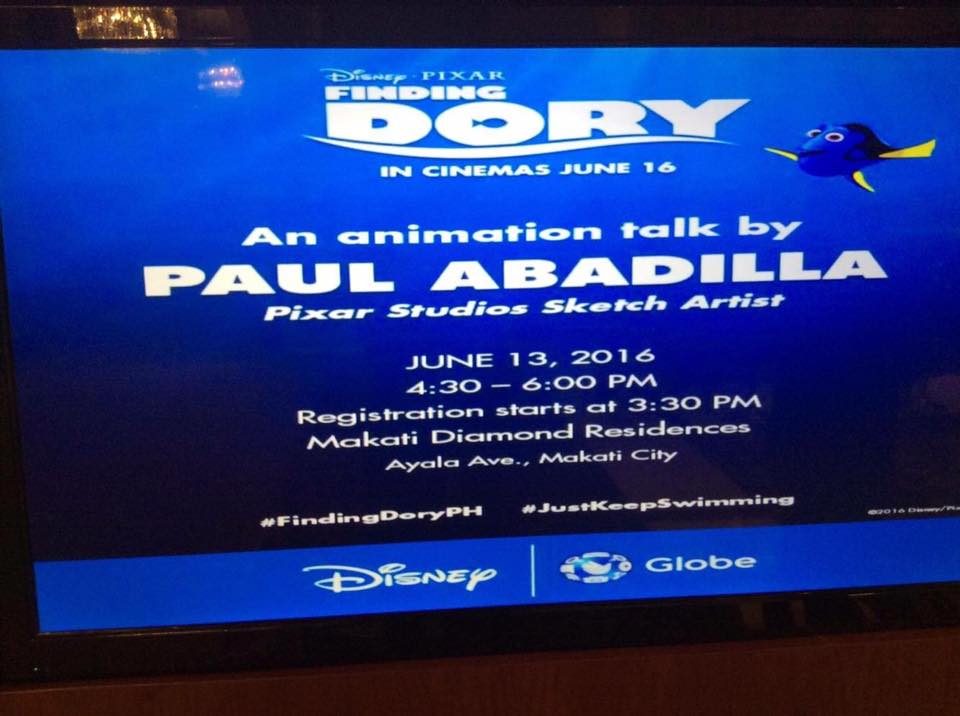
Finding Dory Sketch Artist – Paul Abadilla

24 06 2016

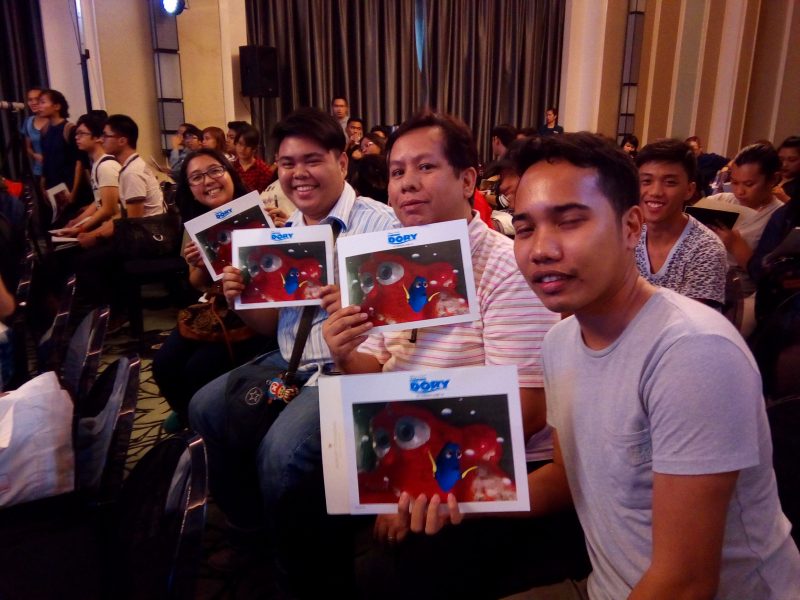
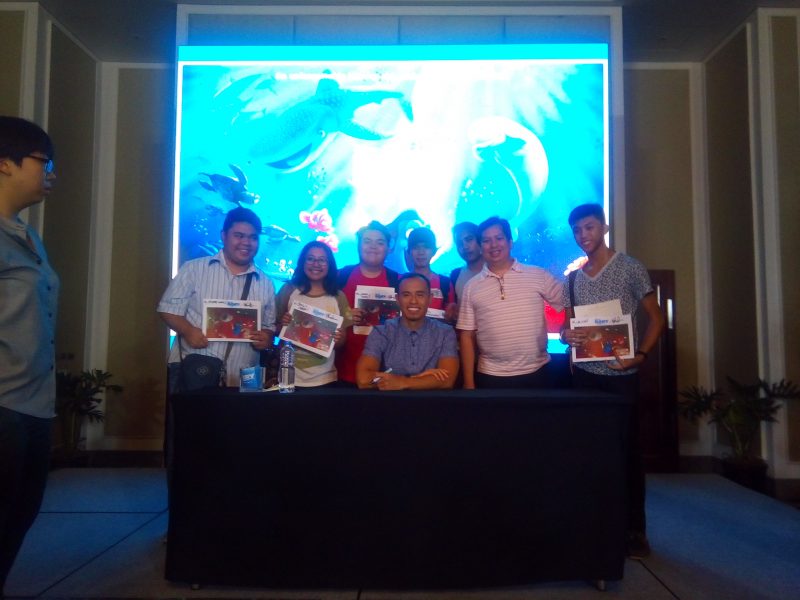
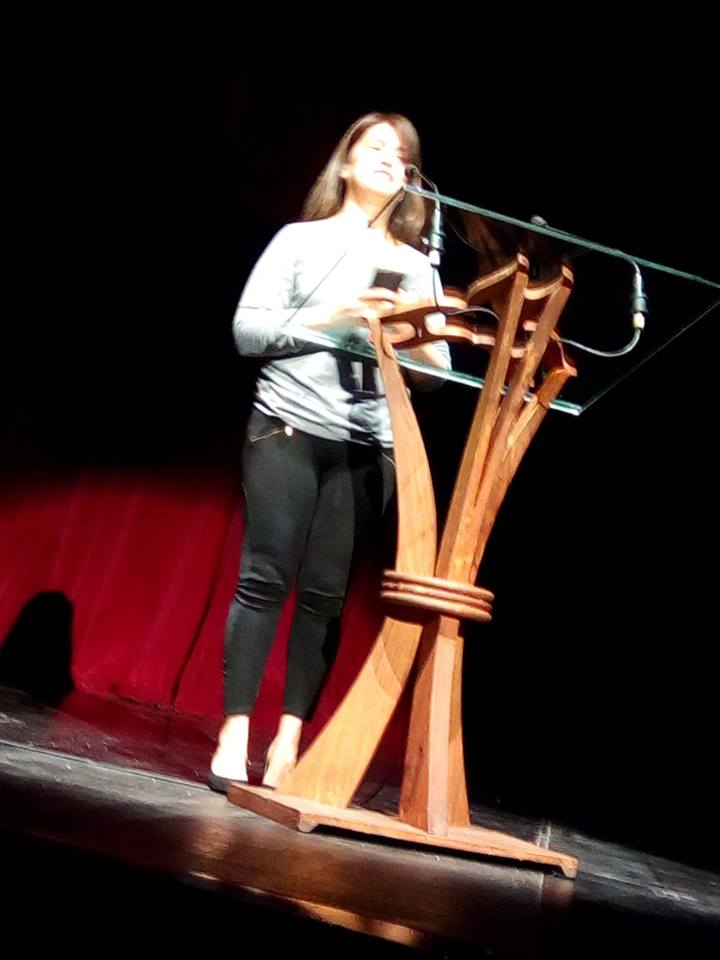
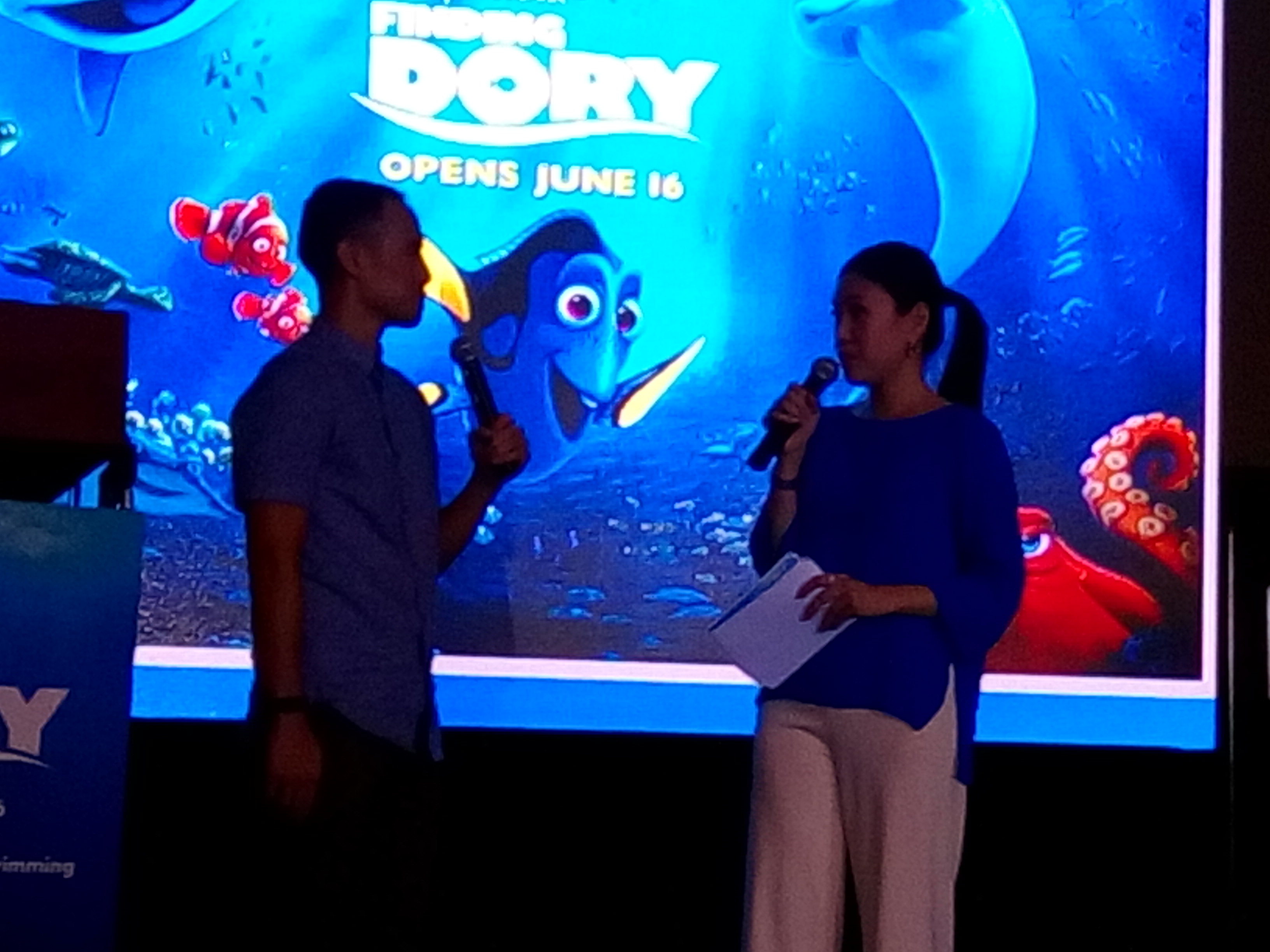
dory 3     Last June 13, 2016, the Animation Council of the Philippines Inc. (ACPI) sponsored a talk by Pixar sketch artist – Paul Abadilla  regarding his work at the animated feature Finding Dory. The talk was held at the Makati Diamond Hotel from 4:30 pm to  6:00 pm.

     Paul Abadilla  is the lead sketch artist for Disney Pixar’s latest movie, Finding Dory. He used to stay at Pandacan, then they transferred to Alabang, In Grade School his art won him the first prize for a contest. So he really had a passion for drawing. His family migrated to the US when he was just seven years old. When he was in High School, he applied for an Internship at Pixar, but he was not accepted. So he tried his luck at Disney Animation Pictures, there he got accepted. In college, he took Multimedia Arts Major in Illustration/Animation as his course and tried to apply again as an intern at Pixar, this time he was accepted. The first movie he did as a sketch artist was at Disney’s Brave film. He also had a Prop Design that was used in the movie, Inside Out.

IMG_20160613_164523

IMG_20160613_164333_2CS

IMG_20160613_174250

IMG_20160613_171754

IMG_20160613_171557

IMG_20160613_174451

IMG_20160613_180057

IMG_20160613_180542

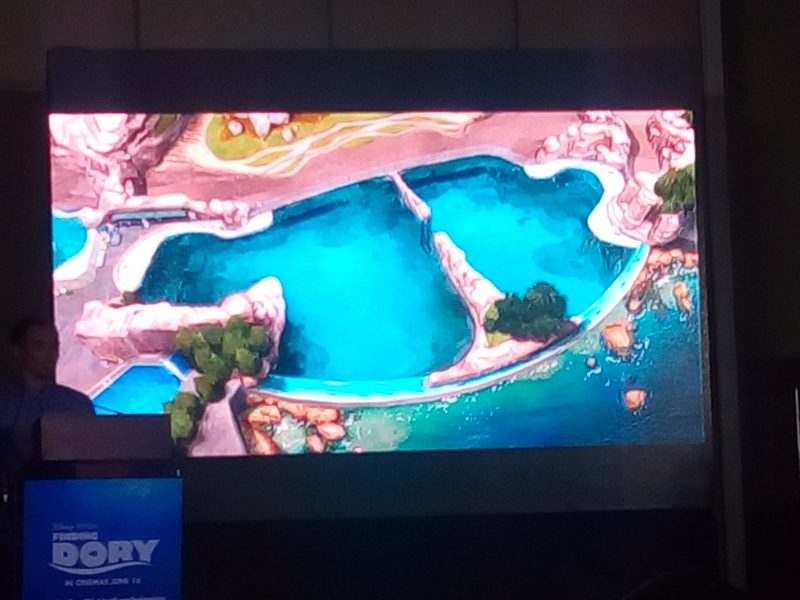
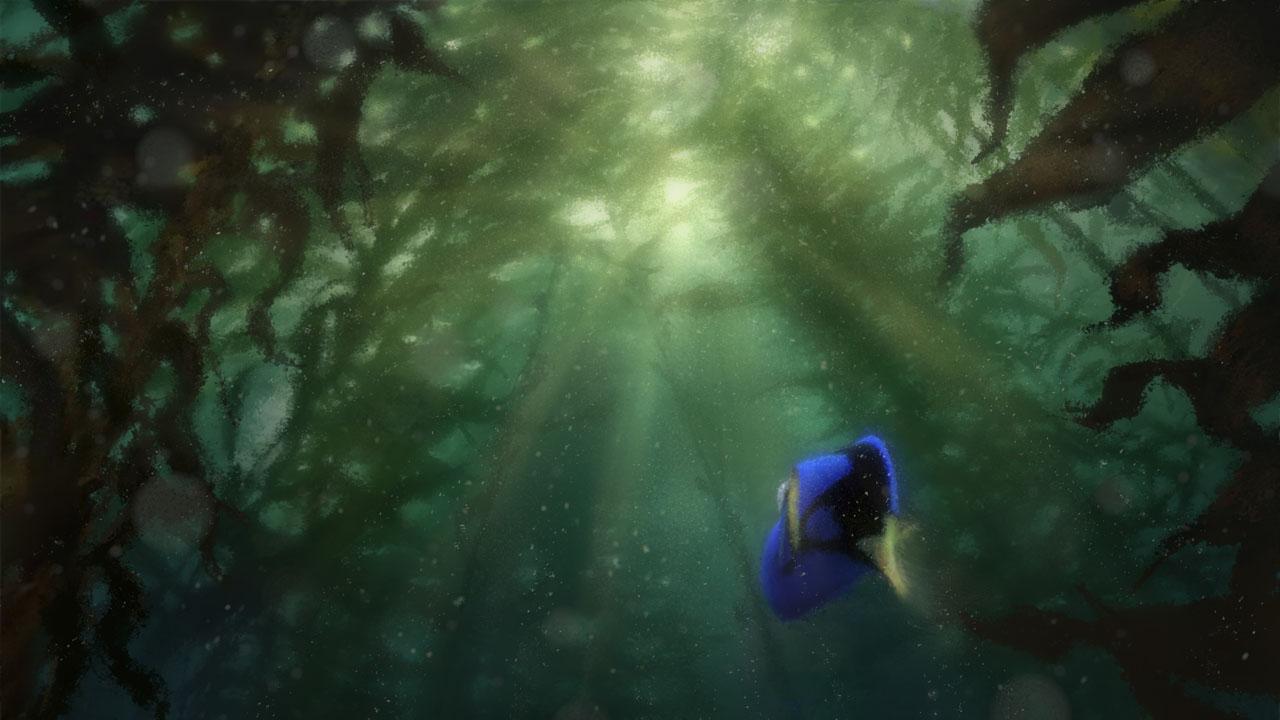
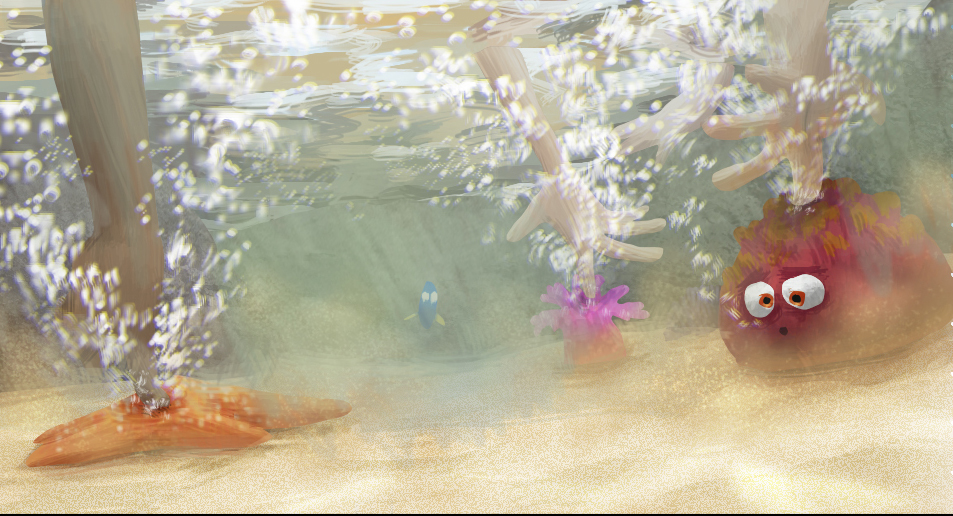
     As a sketch artist, Paul designs the environments for a movie before it is done in 3D. Sketch artists are the ones who do the research, they take data (videos, scientific knowledge, architecture, flora, fauna…) for each location that the movie will take place. For example, the Marine Institute setting was in California, so he had to design the trees for the 3D Artist to model. He designed about 100 Cypress and other trees that are found in California. They also took an underwater camera to shoot video under the surface of the water. He researched how light affects the surroundings and how to floating particles move in water. After this he then paints colorful artwork, using the data he gathered. This are then used as Lighting Keys, for the 3D animators to use. Someone asked him how he designed the environment from the deep ocean, since you can’t go there. He did research, he went to Marine Institutes and talk to experts. The important thing to remember when designing environments, is not how real it looks but to have the audience feel they are in the movie with this characters. Because the environments are not really realistic, it’s a bit cartoony if you look closely, but it works with the characters and you feel you are watching this beautiful caricature of life in the theater.The Marine Institue using SketchUp

Marine Institute Sketch Up

The Marine Institue in 3D

Marine Institute 3D

Lighting Keys 1

Lighting Keys 1

FINDING DORY – Touch Pool Concept Art by Artist Paul Abadilla. ©2016 Disney•Pixar. All Rights Reserved.
FINDING DORY – Touch Pool Concept Art by Artist Paul Abadilla. ©2016 Disney•Pixar. All Rights Reserved.

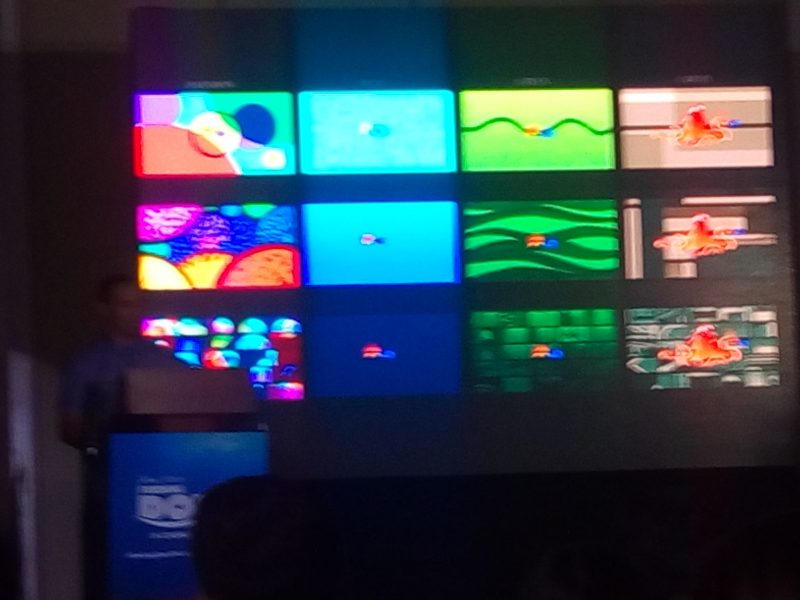
The Mood of each environment through shapes

Mood of Each Environment Through Shapes

     With all the talks from the people of Pixar we’ve attended, I am always fascinated on how they work. As a sketch artist, we found out that it takes Paul about a week to design a Lighting Key or an Environment. Two days are used for researching, and the next days for drawing it digitally. It took him a year and half sketching all the environments and lighting keys for Finding Dory. They really prepare that long so when they get into production, there are less mistakes. He also enumerated the 3 most important aspects of a Pixar movie.

     1. Story – Each artist pitches a story before being chosen for production. It takes about 4-5 years for each movie at Pixar to be finished.

     2. Character – After Finding Nemo, the director asked the writers, where did Dory come from. If she has short term memory loss, where are her parents, and are they looking for her. So from the character a new story was born.

    3. Environment – as mentioned, the environment reinforces the story and the character to make the audience believe that they are in this world.

       He also talked about the number of Filipinos in Pixar, form artists, storytellers to the chef in their canteen, where adobo and sisig are part of the menu. They call themselves the PIX-NOYS, and they are a lot of them. It gives every Filipino artist to dream of going to Pixar one day.

Article by Alstaire A. Sarthou

Pictures by: Grace A. Dimaranan and Alstaire A. Sarthou


ACPI Teachers Seminar for Arts, Design & Animation

27 04 2016

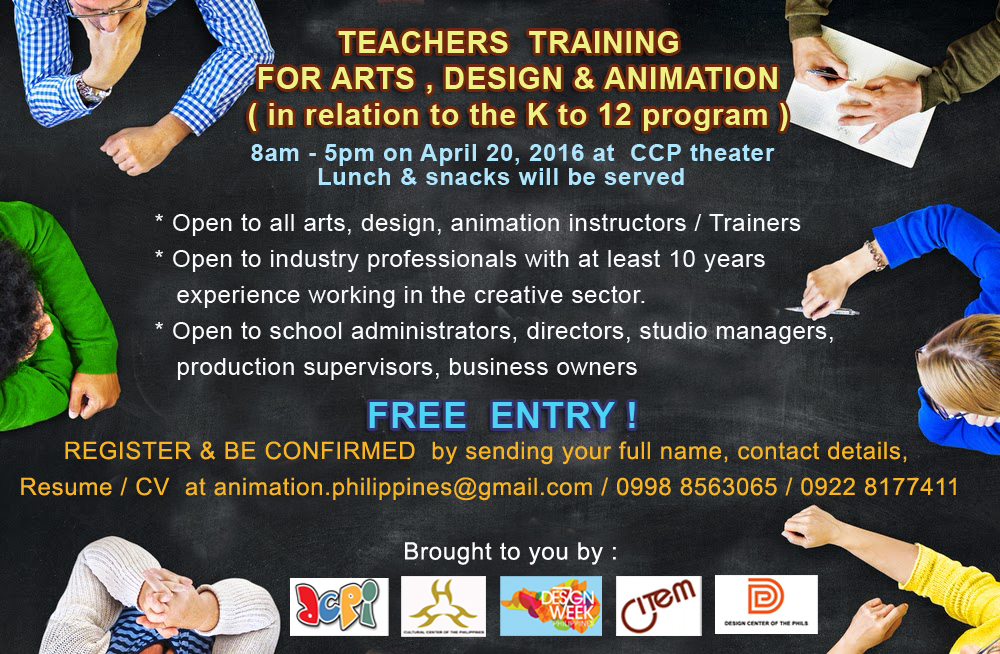
    K to 12 will be fully implemented to all high schools throughout the country by June 2016. Arts, Design and Animation is included in the tracks that a high school can offer to students.

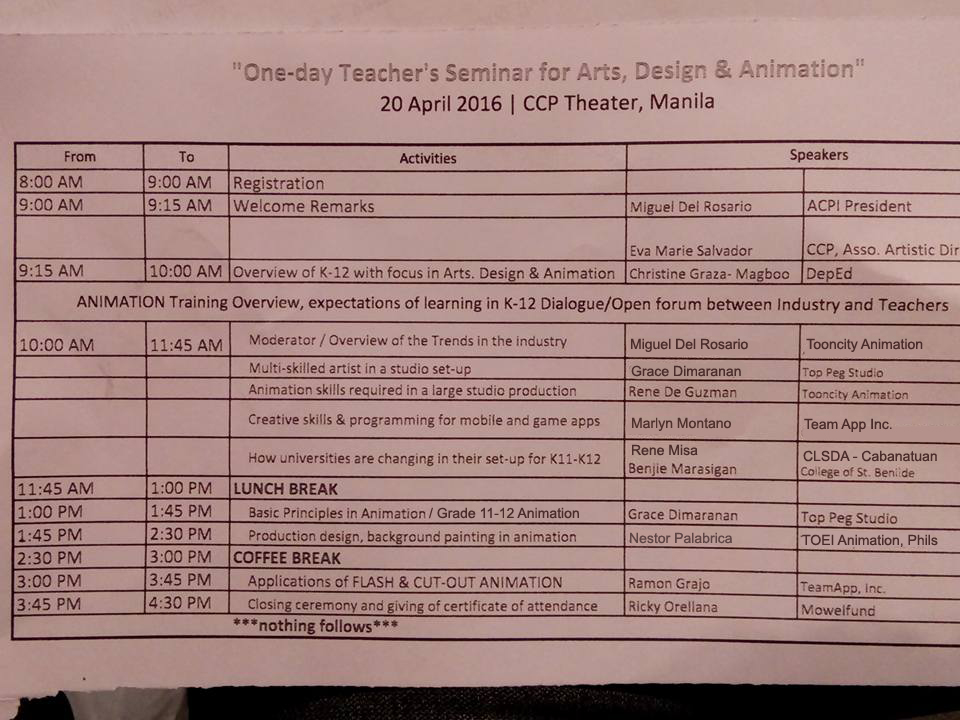
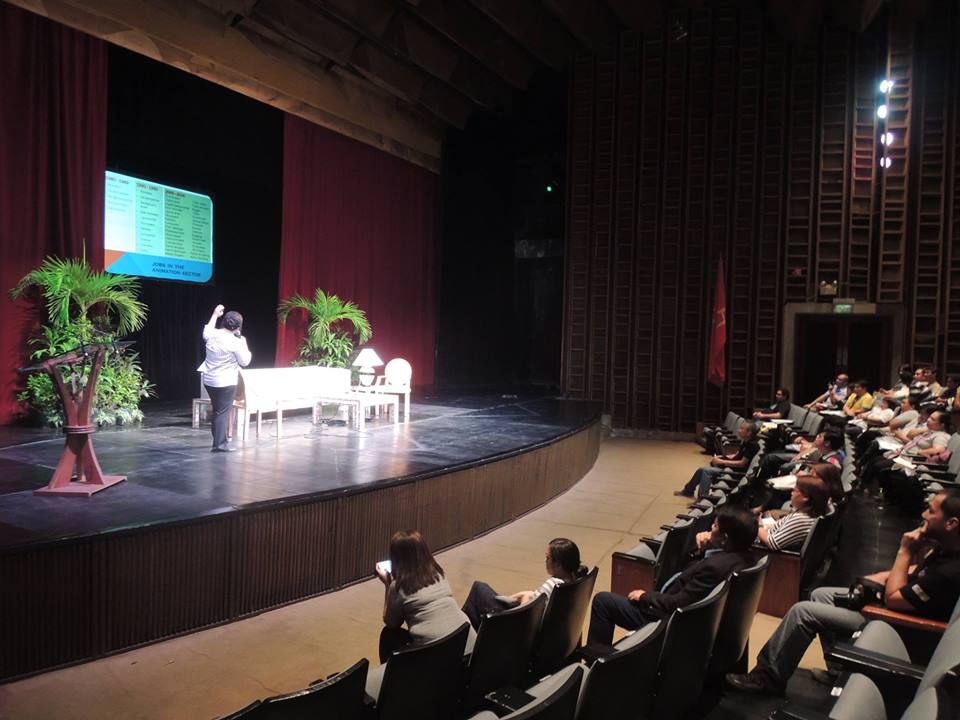
     Last April 20, 2016, the Animation Council of the Philippines Inc. (ACPI) and the Cultural Center of the Philippines ( CCP ) in collaboration with the celebration of Design week by the Center for International Trade Exposition and Mission (CITEM) organized a 1 day Teachers seminar to orient and give an overview what is the scope of learning, lectures and outcome under the Arts, Design and Animation programs of the K to 12 specifically under the senior high school students (SHS) Grade 11 and 12. Venue is at Little Theater of CCP from 9:00 am to 5:30 pm.

Teachers training Announcement


     The seminar was for the Department of Education (DepEd) teachers who will be teaching the programs, high school administrators, school owners and other industry professionals who would like to be instructors, trainers or studio owners.

11248151_994128573997435_2558714553771462334_n

     The program  includes an overview of the the K to 12 focusing on the Arts, Design & Animation programs by Ms. Christine Graza-Magboo, Senior Curriculum specialist from DepEd. She discussed the rules and regulations on implementing the K to 12 programs and the need for teachers to check out updates for workshops and seminars for teachers at the Deped website. She also apologized for the slow process of Deped in uploading needed curriculum guides for the teachers and encourages formed groups thru social media for faster communication. Animation is under the techvoc track for Grade 11 – 12 and is currently being worked on by DepEd to be included also in the Arts & Design Track.
13007150_994132267330399_5479023875246269895_n

FINAL Teacher seminar program1

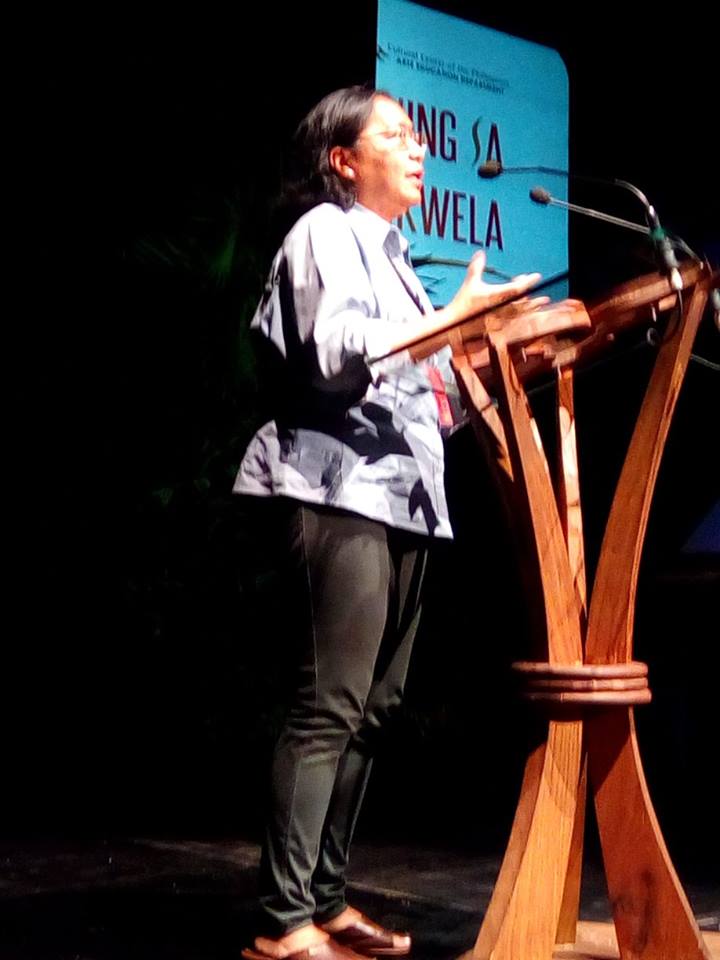
     CCP’s Associate Artistic Director, Ms. Eva Marie Salvador discussed about CCPs active participation and support on the promotion of Arts under the K to 12 programs. CCP has many ongoing workshops concerning the arts under their program Sining Sa Eskwela (Arts in School).

13010897_994132030663756_4378570498195802982_n

13043330_994127917330834_2790779266620340941_n

     Miguel del Rosario, current president of ACPI and also the moderator of the industry panel guests discussed about creative industry trends; what are the talents and skills being accepted at studios for work and employment. Work in the animation sector has grown since the 1980s and is now not only confined in television or films. With the arrival of the internet and the new softwares, more work – not only animation is available in the sector. With the current technology and the internet, it has expanded to other platforms like games, e-learning, motion graphics, mobile apps, real estate and visual effects to name a few.

13051663_994131563997136_2568590776019805101_n

Jobs in the anim sector

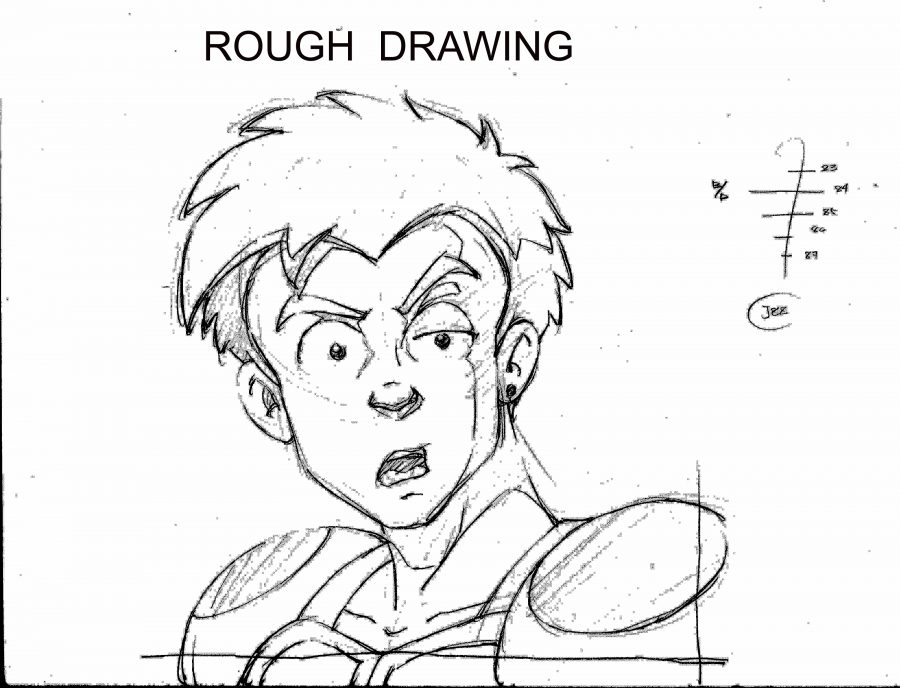
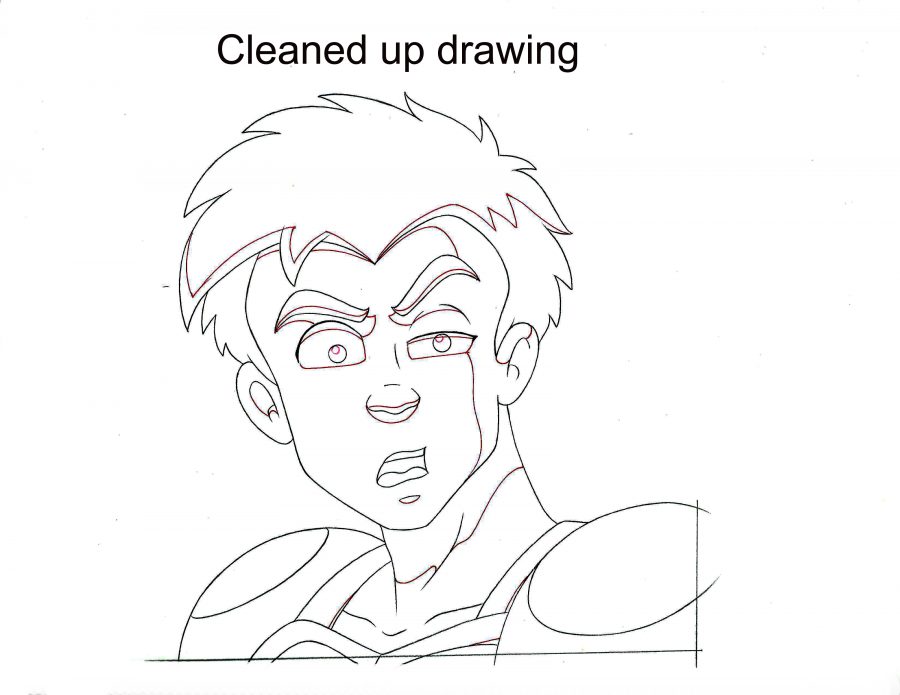
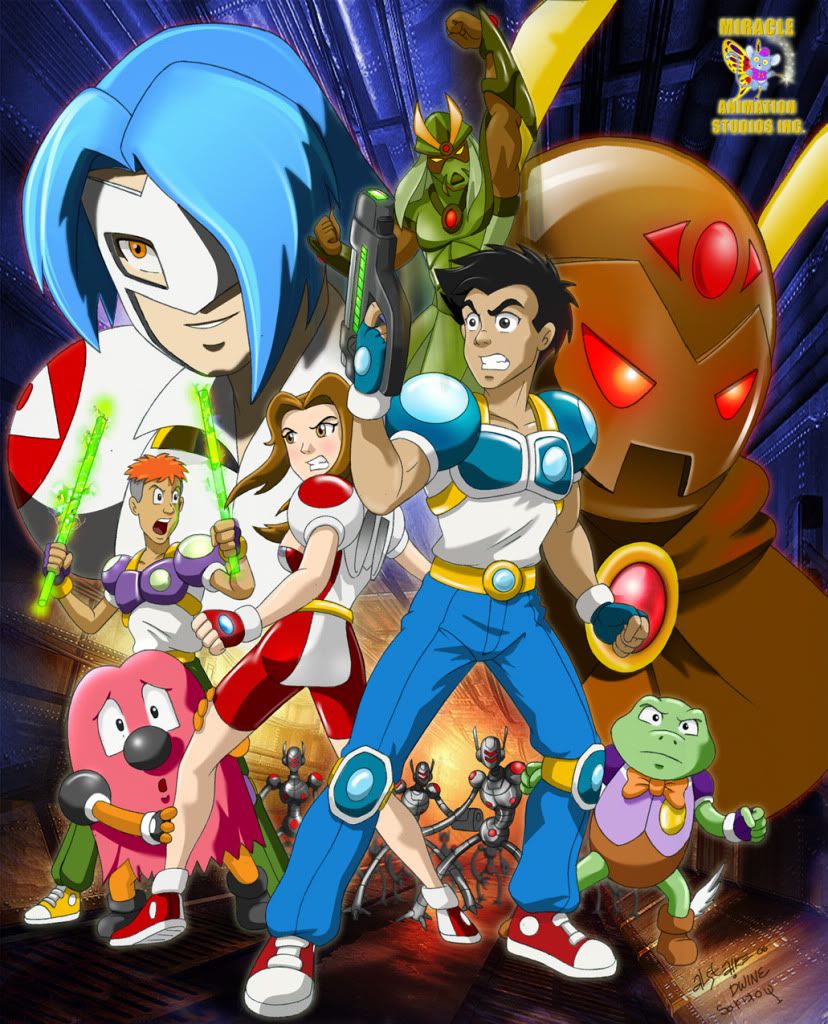
     Grace Dimaranan discussed about the skills needed inside a small to medium sized studio like Top Peg Animation. The artists/ animators are highly skilled in both traditional and digital drawing output and can transfer and do work whether for a TV series, commercial, AVP , game or film. In a small setup, there is no room to be a specialist but more on adjusting yourself to meet the demand of the work assigned to you. It pushes the artist to have a well- rounded knowledge of the full process rather than being confined in just one task or position. Grace also did a short lecture about the basic principles of animation, showed video samples and gave references to teachers on where to find useful tutorials for them to learn the correct process for animation. She also distributed actual production folders of “Jobert and the Crop Circle Warriors©” to all the 250+ attendees to better explain in detail the process in production on what a drawing goes through before it can be shown on TV. The rough drawings and the quality of clean up line art drawings inside the folder are the actual samples of what is the “industry standard” work output.  Grace also explained the animation track ( Techvoc) for Grade 11 and 12, the number of hours required and what lectures will be taught in each grade level.

13007367_994137527329873_3420474675939482212_n

JOBERT ROUGH DRAWING

     JOBERT CLEAN UP

    Marlyn Montano shared her knowledge on  game apps and what they do at her company – Team App. It’s a combination of animation and programming. She also shared some works done in her studio but cannot disclose the name of clients due to the non-disclosure agreements she signed with clients. Games and apps are a rising demand in the industry to date. People are making their mobile phones their mobile office also. 

13083313_994131923997100_3218876298714774904_n

    Nestor Palabrica of TOEI Animation Phils. discussed about how backgrounds (BG) are made in production. He showed samples of backgrounds from rough sketch to final digital format. He explains that layout and coloring skills to be a BG artist for Japanese -style animation show is high. The realistic views and angles plus the final colors of a background determines the skill level of an artist. 

12107172_994133050663654_7109791341907414504_n

BG SKETCH sample

   BG Colored house interior

     Rene Misa of Central Luzon School of Digital Arts and Benjie Marasigan Jr. of College of St. Benilde talked about the preparation and expansion of the Universities and Techvoc schools in accepting Grade 11 and 12 students who are applying. Not all public high schools can open classrooms for Grade 11 and Grade 12. So high schools can now partner with Deped accredited Universities, Colleges and Techvoc training centers to have their senior high school students be transferred according to their desired chosen track.

     Rene De Guzman of Tooncity,  discusses about artist skills and where they actually grow and prosper. Not all artists who apply at Tooncity wants to be an animator. Some are skilled in layout, background coloring, 3D , concept design or digital painting to name a few. It is important to know and evaluate the artist’s skills every now and then. Sometimes, they are not productive on where they are assigned. He observed when an artist is given a chance to be part of other production process, they discover where they are most happy and more productive.

      Lastly, Ramon Grajo of Team App demonstrated how to use Flash and Toonboom softwares for animation. He showed how the tools can be used in cut out animation and for different applications. There were many questions from the audience about the software but it was emphasized that its not the software that makes good animators or artists but the foundation skills in drawing and the knowledge of traditional animation that is most important. Software based knowledge can be learned in a few weeks to a few months but creative and drawing skills takes years to learn and master.

     The program ended with special thanks to the audience, speakers and panel guests and the supporting organizations. Certificates of participation were given together with the feedback forms about the seminar.

13006656_994138260663133_2333324570492644805_n

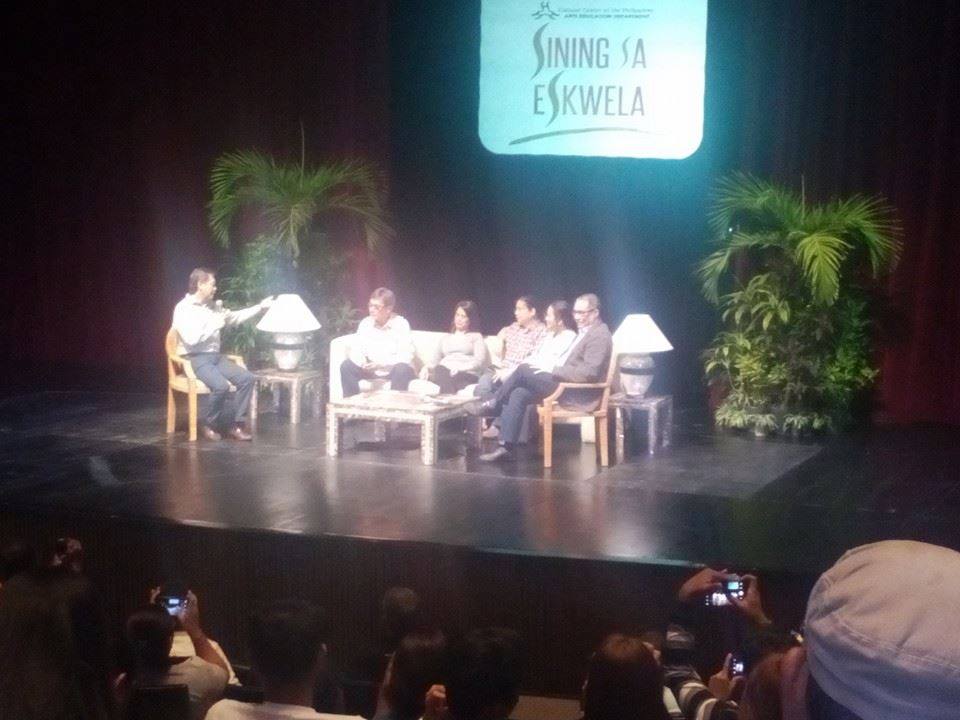
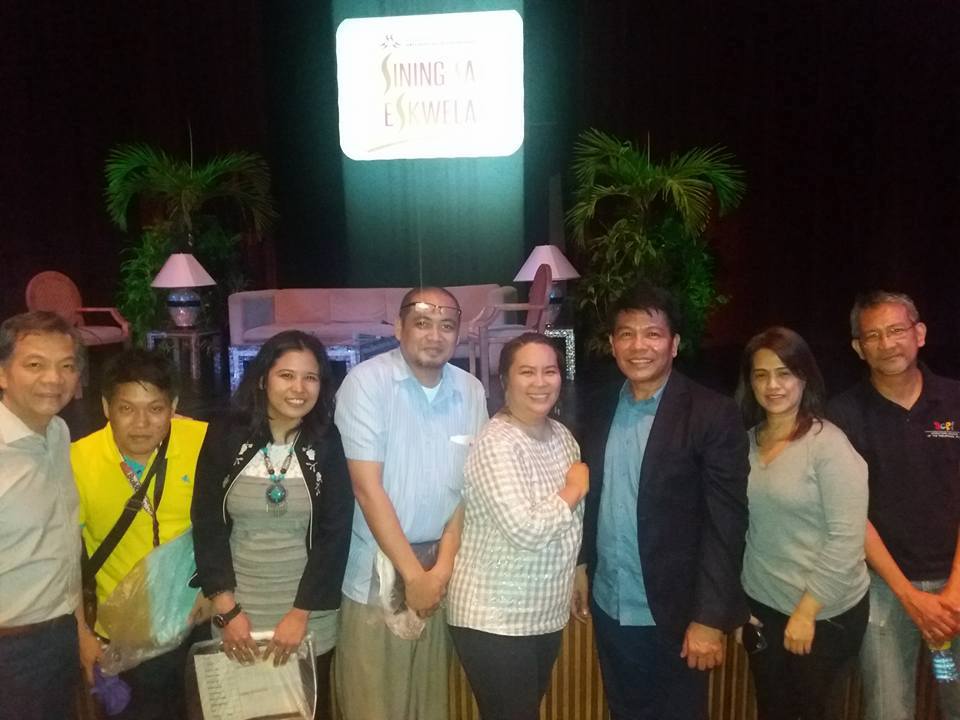
From Left: Miguel Del Rosario (Tooncity & ACPI President), next 3 are teachers, Grace A. Dimaranan, Nestor Palabrica (TOEI Animation Phils.), Marilyn Montano (Team App), Ricky Orellana (Mowelfund)

Article by Grace A. Dimaranan; pictures and other samples from ACPI and Grace


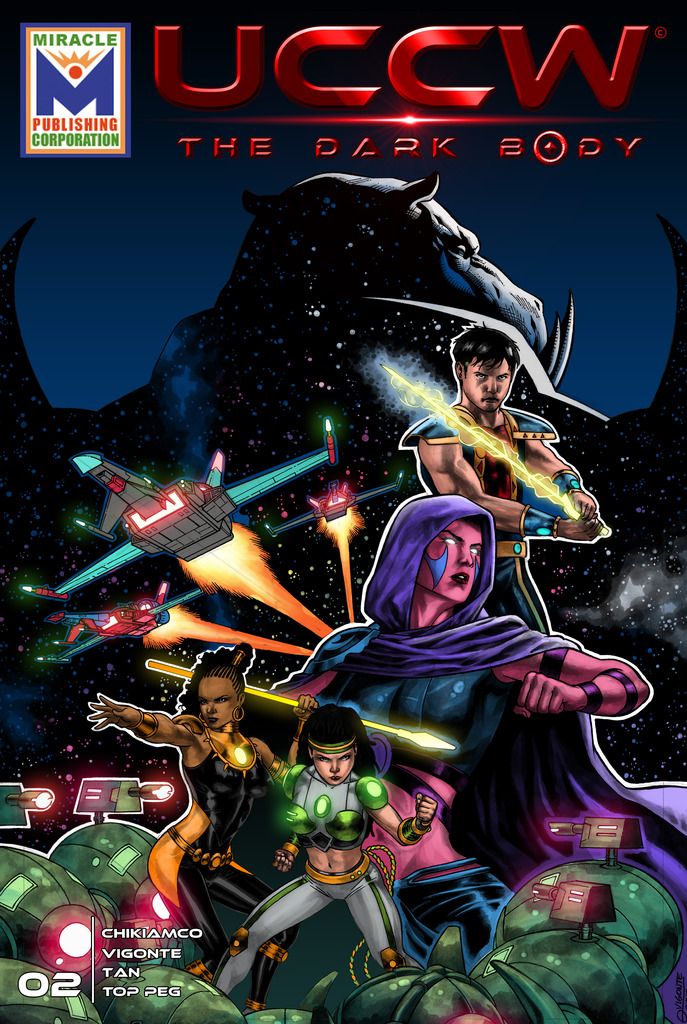
United Crop Circle Warriors (UCCW) Issue #1 E-Comic

25 01 2016

     UCCW cover page 1

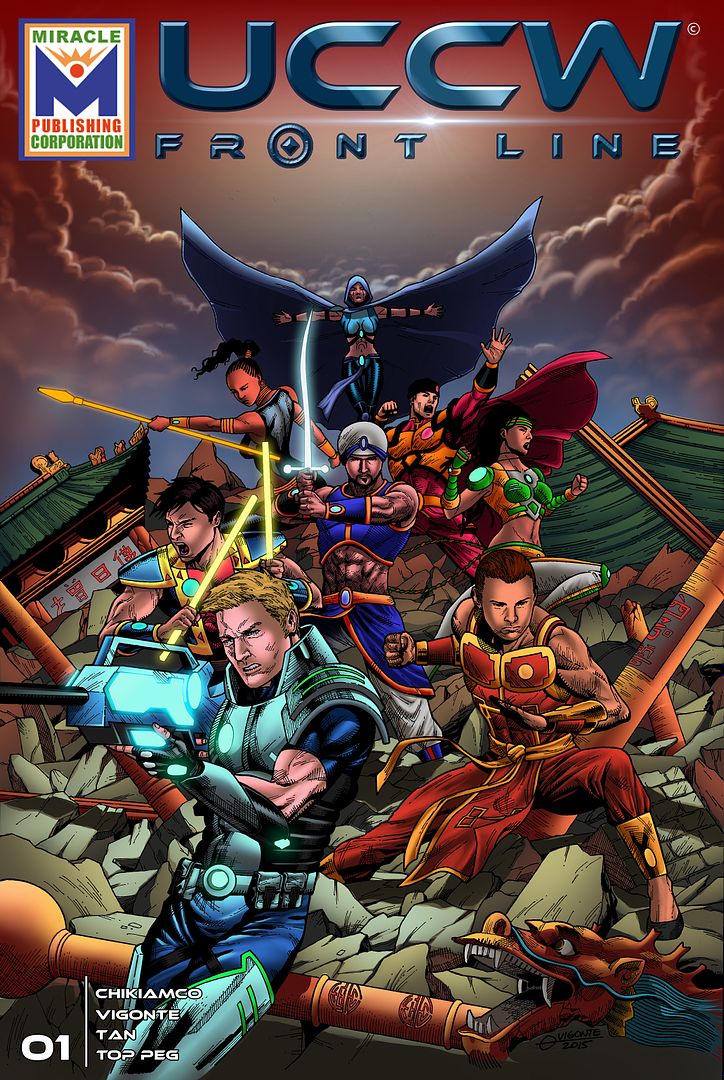
   United Crop Circle Warriors: The Front Line #1

eISBN#  978-971-94765-1-1

     The United Crop Circle Warriors© (UCCW) – The Front Line  Volume 1 Issue # 1 as of March 9, 2016 is available at Flipreads, Amazon, iTunes and Kobo. Barnes & Noble to follow. The said comic has 44 pages with about 4 pages with 2 pages combined to accommodate the drawings – if counted per page it will total 48 pages. The UCCW is an extension of the Jobert and the Crop Circle Warriors® property. The UCCW will have 3 issues;  issue 2 may come out in August and issue 3 later in the year, both issues will only have 36 pages each. 

Intro United isbn

UCCW Issue #1 Introduction

      At the early part of January 2016, Alstaire suggested to Paolo (writer) to make a summary of the UCCW issue #2. After a few days, Paolo emailed the summary but he wrote United Crop Circle Warriors© instead of the Ultimate Crop Circle Warriors in the summary. After two days, I decided to change the title to United Crop Circle Warriors© since it fits the concept and storyline better than the original title.

     Since UCCW issue #1 was undergoing some conversion for the various e-book platforms in early January, we were able to make the changes to the name inside the e-comic before the final conversion and release to the market.

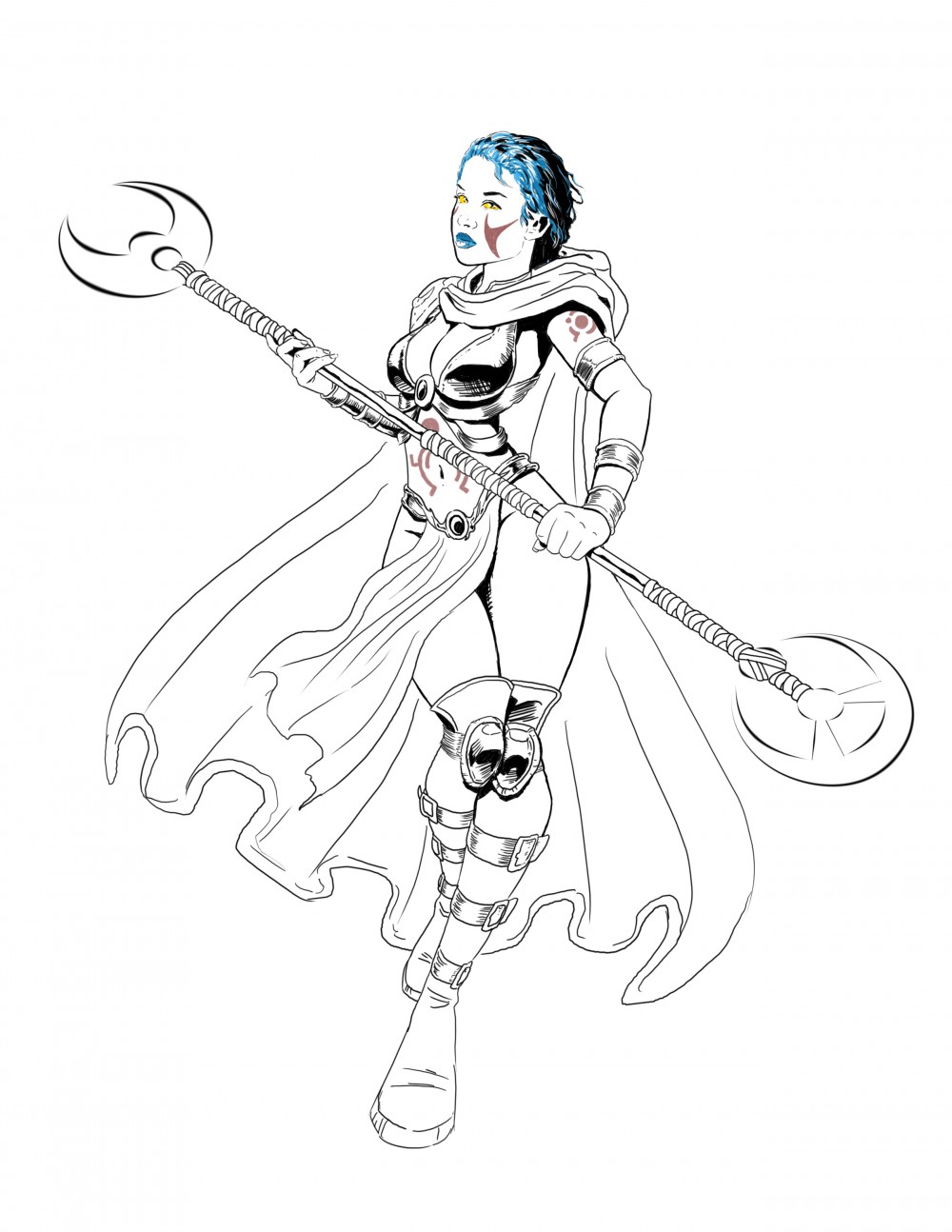
    The comic took a long time to make as the artist is the penciller and inker at the same time. Sometime during the middle of last year I asked him about hiring an inker, but he said the style would be different from the ones he made earlier, so I had no choice but to wait until he finished every page.  The artist had to conceptualize the other main characters, minor characters, backgrounds and ships. Aside from his other job contracts, he had some personal or family problems that he has to attend to as well during the creation of the comic. But overall, he did a very good job with the drawings. Below are some of the study drawings for the comic. 

Draft of Cover

Draft of Cover

UCCW cover page

raymart

Raymart

arianna

Ariana

faizah

Faizah

Faizah New

Faizah

Faizah Design

Faizah Transformed as a UCCW by Alstaire

crystal lady

Naja

Naja

Naja

naja2

Naja

Naja Design

Naja – Alstaire’s Suggestion

naja3

Naja

large head alien

Minor Character

six arm alien

Minor Characters

Untitled-1 copy

Two Choices for a Character

tn8-9

Page Draft

image1

Work-In-Progress


Design a site like this with WordPress.com
Get started