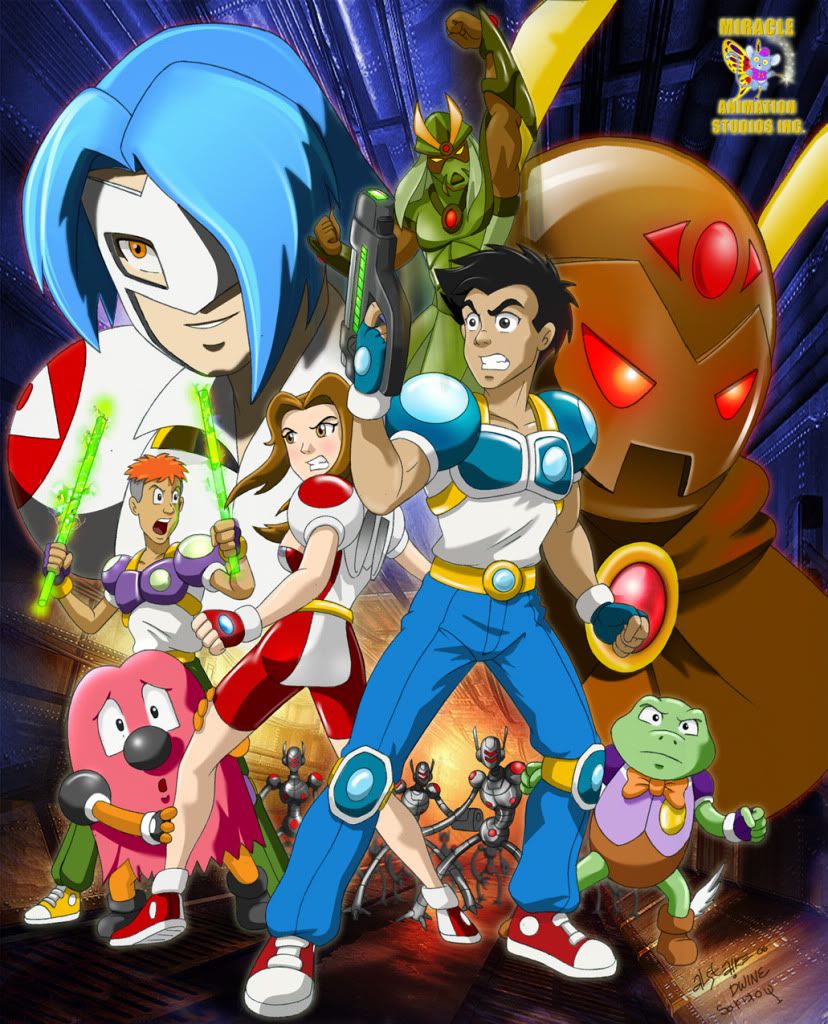
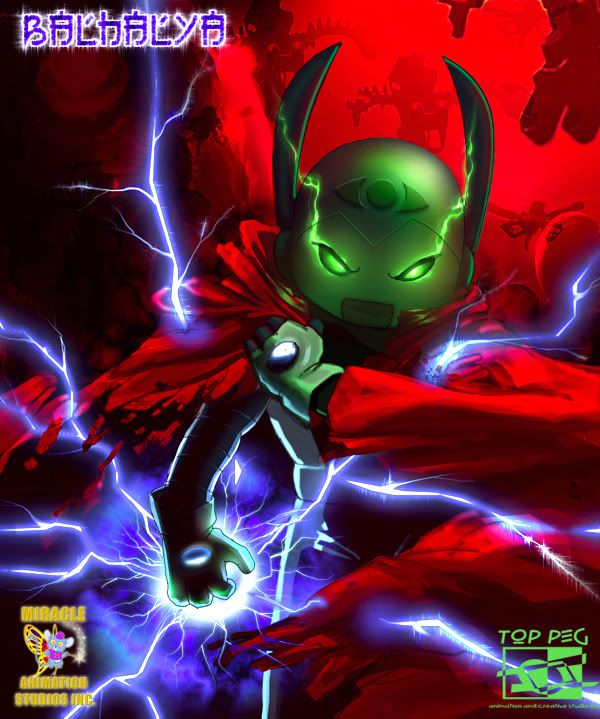
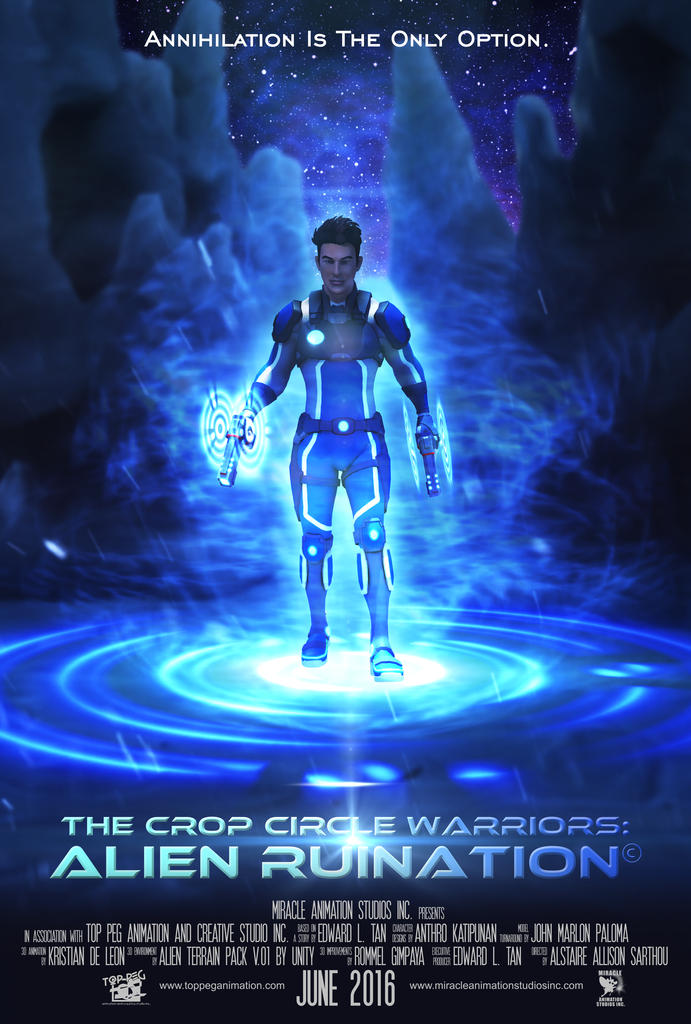
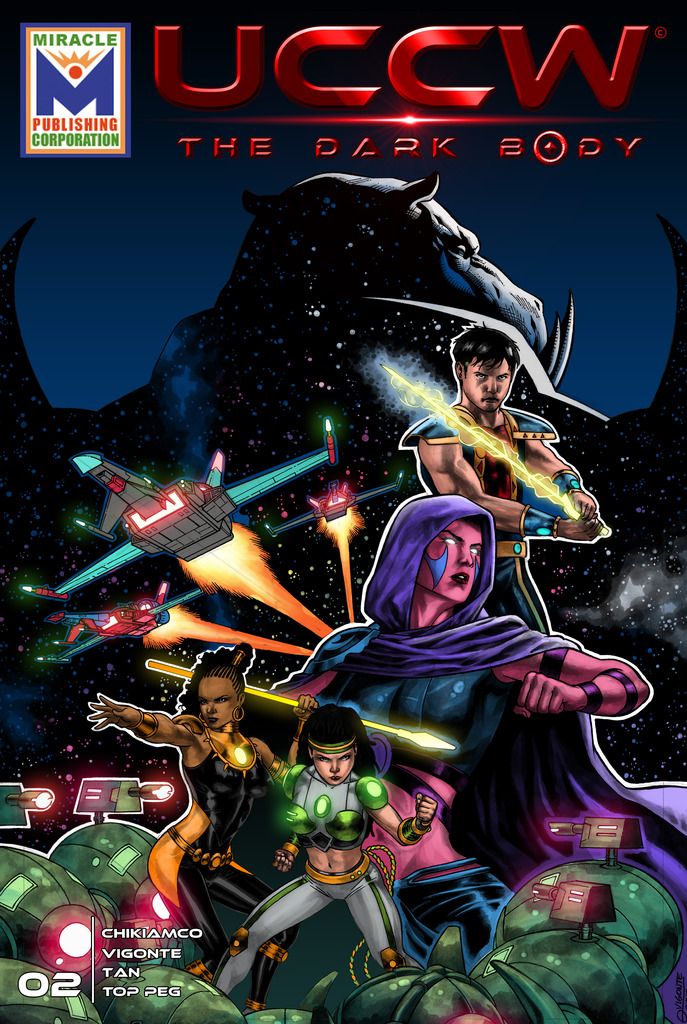
As we were still finishing the animation in July, I started to polish the pitch bible for the first season. When I was done with the pitch bible for season 1, I began reading the script for season 2, but I could not read past the fifth episode; I felt the script was redundant and the whole episode needs to be rewritten. We needed to do new stories for each episode rather than having one story for the entire season to keep the interest of the audience. Since mid-last year, we already finished the character models for season 2 but we could not write new episode scripts for season 2 this year; so doing the pitch bible for season 2 was no longer possible. So I focused on fixing minor problems such as correcting the poster for the cartoon and enhancing the blurred logo of the company.
It was early August this year that I learned from Grace, that Alstaire would be going to the Tokyo Game Show for the first time this September 16 to 22. The organizer of the show – the Asean Japan Center invited willing participants from the Philippines to exhibit their works and services for the exhibit. The organizer will subsidize the hotel accommodation and round trip airfare; offer free animation studio tours and exhibit booth for one individual per company not only from the Philippines but for other Asean countries as well, like Thailand, Malaysia, Indonesia, Vietnam, Singapore with smaller delegates from Cambodia, Laos, Myanmar and Brunei Darusalam under the Asia New Stars Area. Only 5 companies per country is the limit, but the Philippines added 2 more companies as Brunei only sent 2 companies. Without the subsidized and free offer, I doubt it that there would be small Philippine companies would be present in this exhibit as the costs to attend the exhibit are prohibitive.
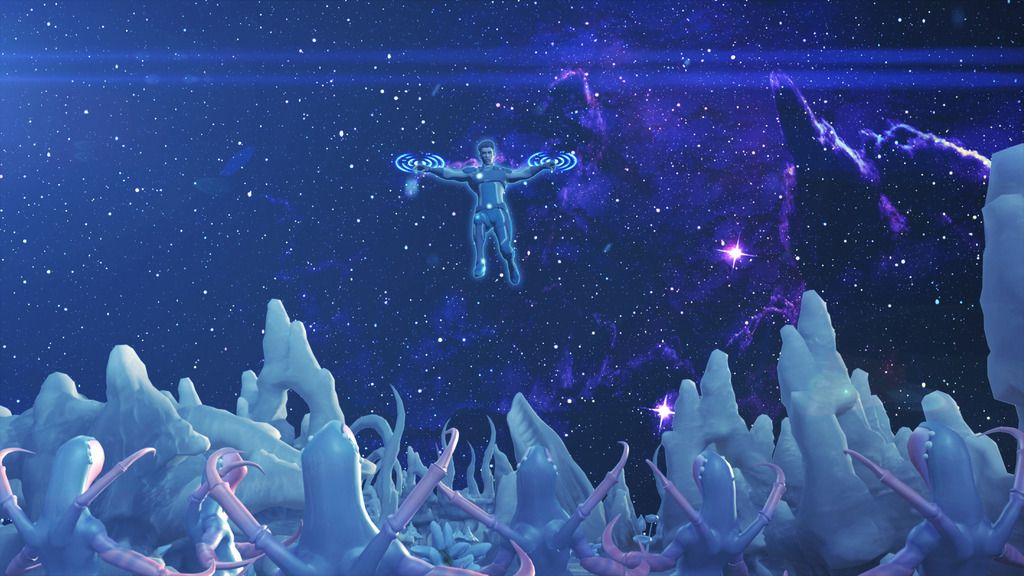
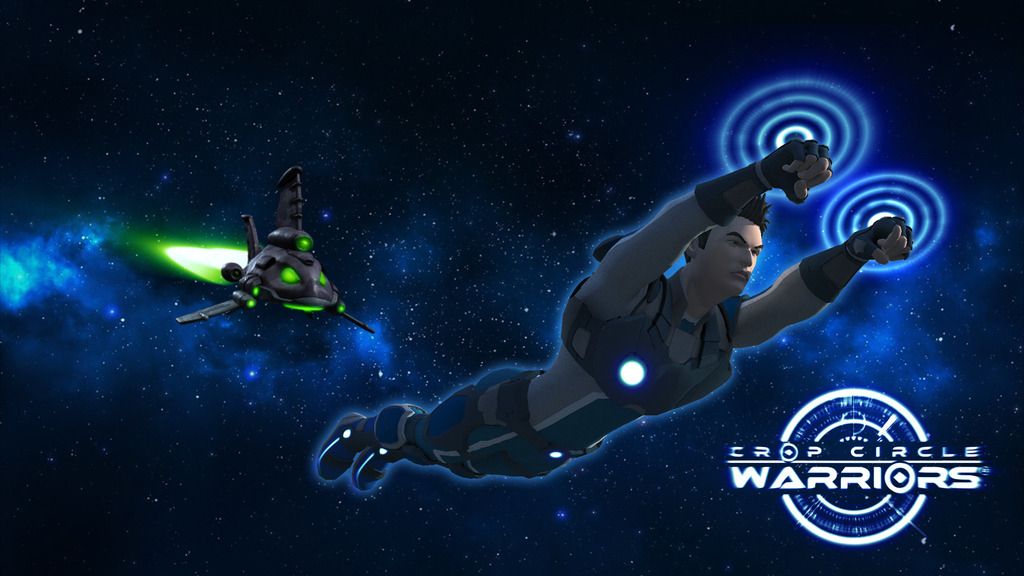
Since mid-last year, we already finished the main storyline for the mobile game, the poster, the character models for the villains, the look of the game for the mobile phone and the game document; what we still need to do is fine tune the game document and the programming . The story for the game is not related to the first season of the TV series, and the under the game, I shortened the title to “The Crop Circle Warriors®” but Jobert and his friends are still the main characters. I’m not a gamer, so I’m not in tune with what’s in or out, nor am aware of what’s popular except for some household names like “Angry Birds” and “Flappy Bird“. I conceptualized the main story line with the villains but the details with regard to the movements and action, I left it for Alstaire to do.

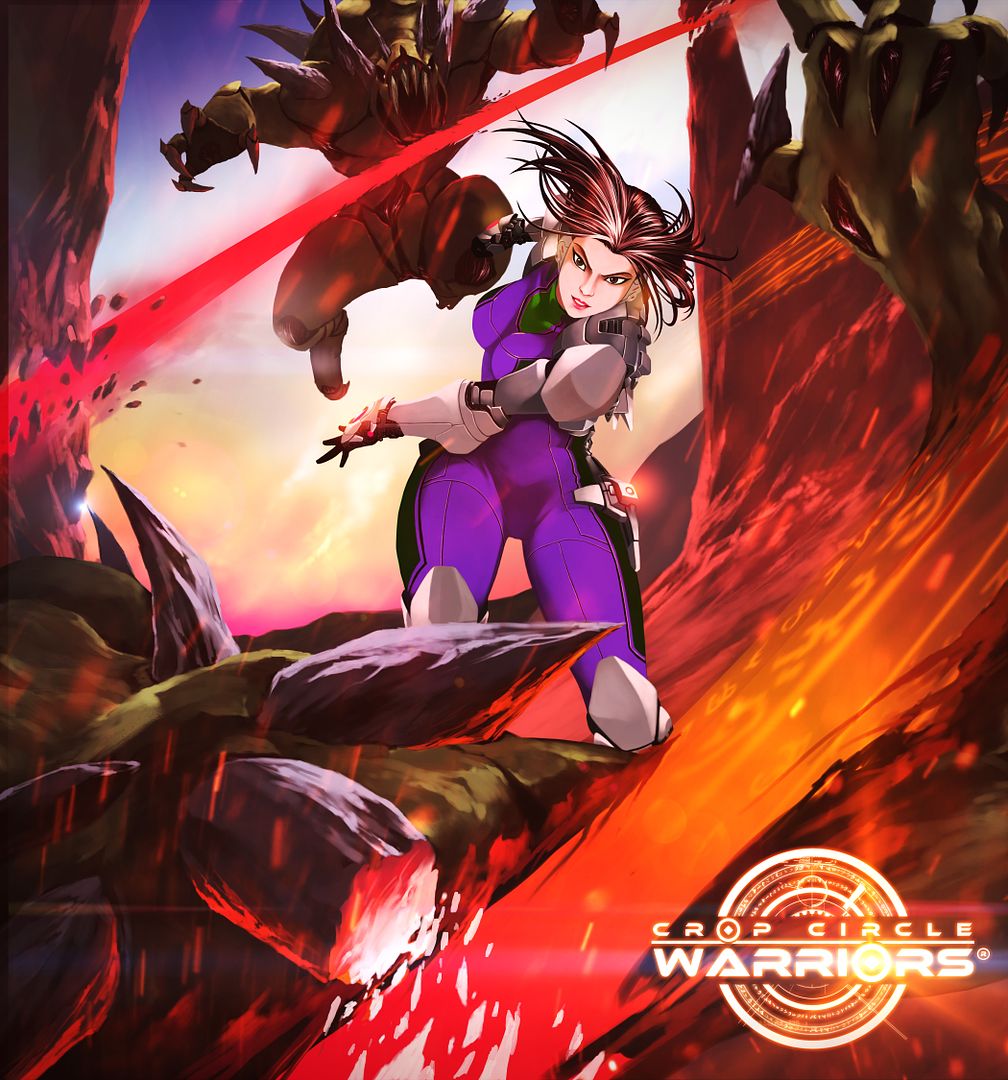
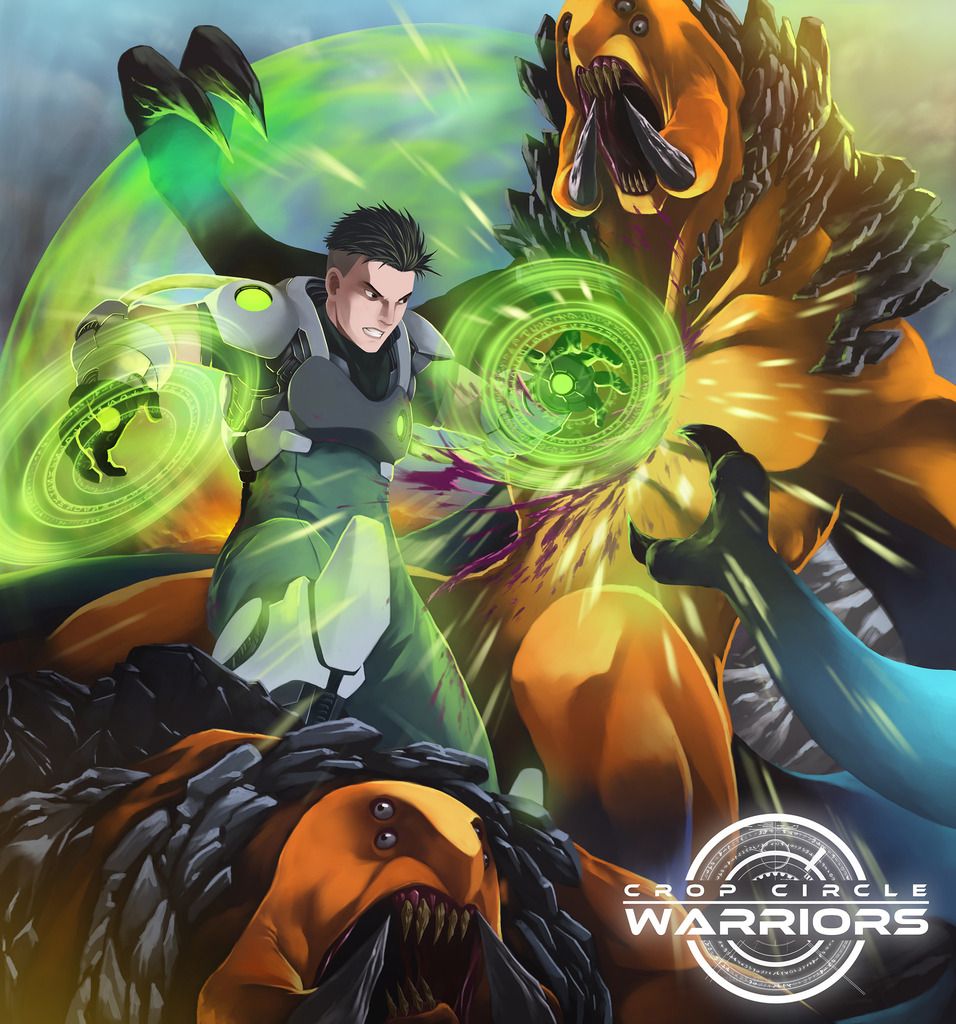
Sample of “Crop Circle Warriors®” for the mobile game
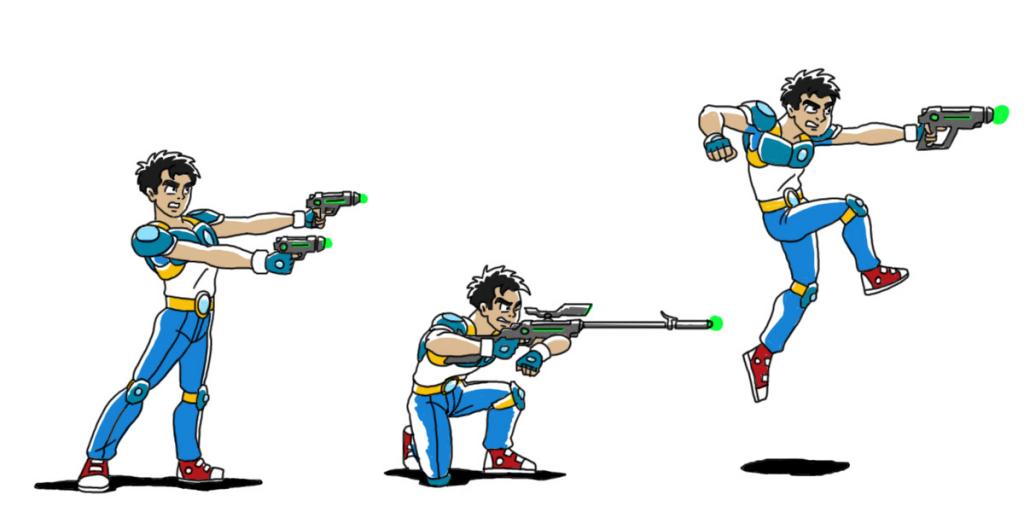
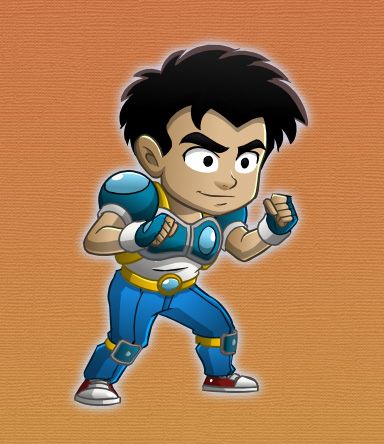
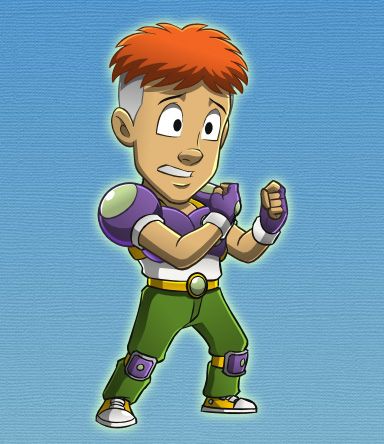
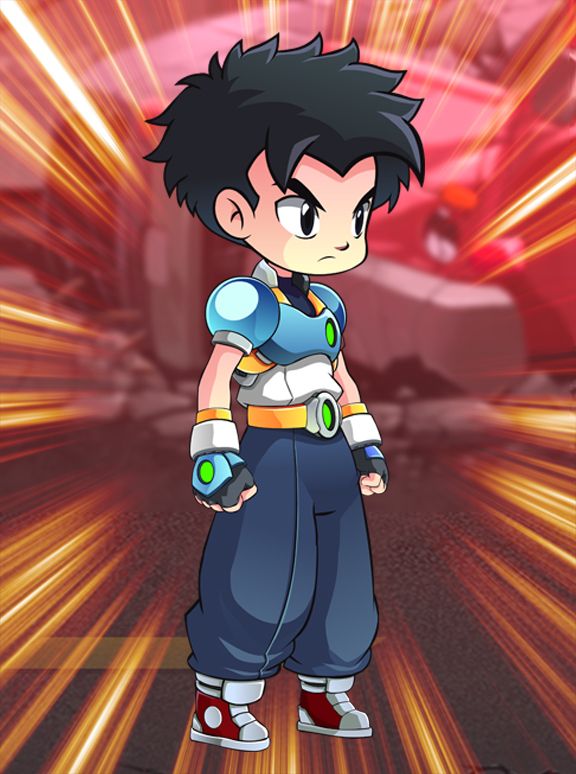
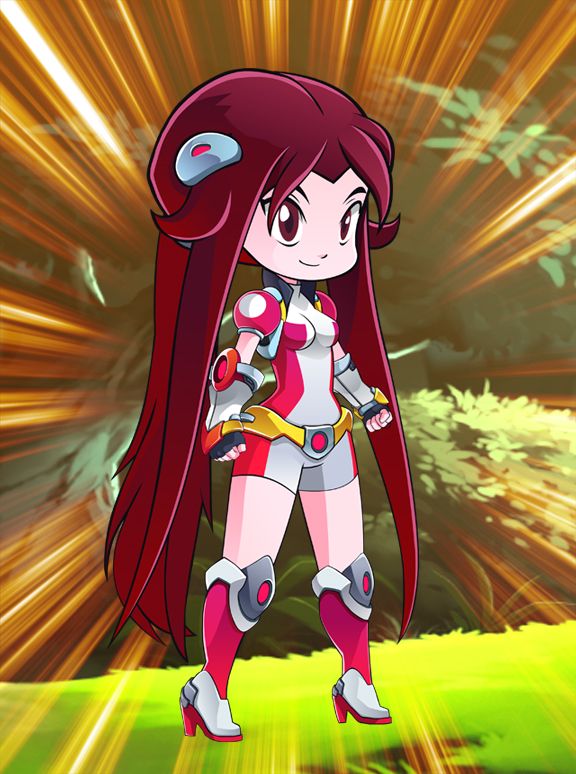
Concept Drawings for Jobert
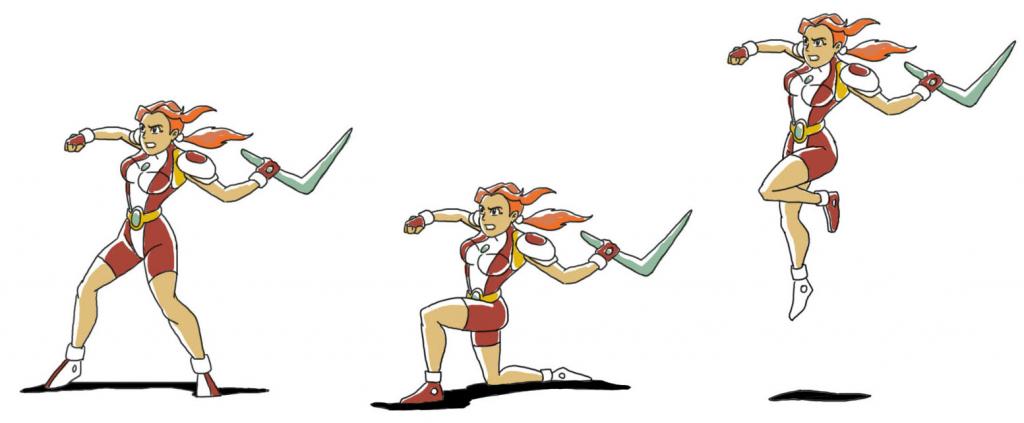
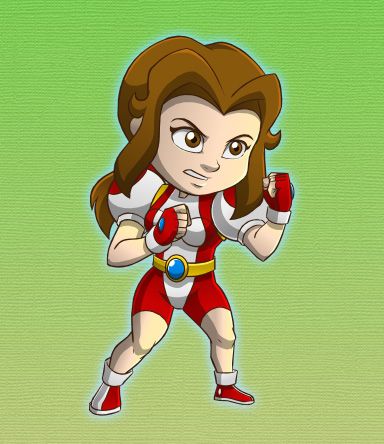
Concept Drawings for Jessalaine
Sometime in early August; Anthro – the animator who went back to Dumaguete a few years ago coincidentally called Alstaire and told him that he missed doing the action scenes for Jobert and he was bored with doing just some poster art work. So Alstaire gave him some job for the trailer for the mobile game of the “Crop Circle Warriors®” which would be exhibited at the Tokyo Game Show. Anthro was able to finish the drawings last September 2, 2014 for the trailer. I was not even aware of Alstaire’s plan to do a trailer for the mobile game, which I only learned later on since he said he needs to show something at the exhibit aside from the other two mobile game concepts that Top Peg Animation had a tie-up with. But that is not a problem with me, as I am prepared to invest in the mobile game and have it available online hopefully by the first or second quarter of next year. This game will extend the property and introduce the animation to the gamers who will download it on their mobile phones. This is a breath of fresh air for me, as we got stuck producing the animation for the longest time. I’m looking forward to finish this in the right manner and as fast as we can so that we can move on to do other things.
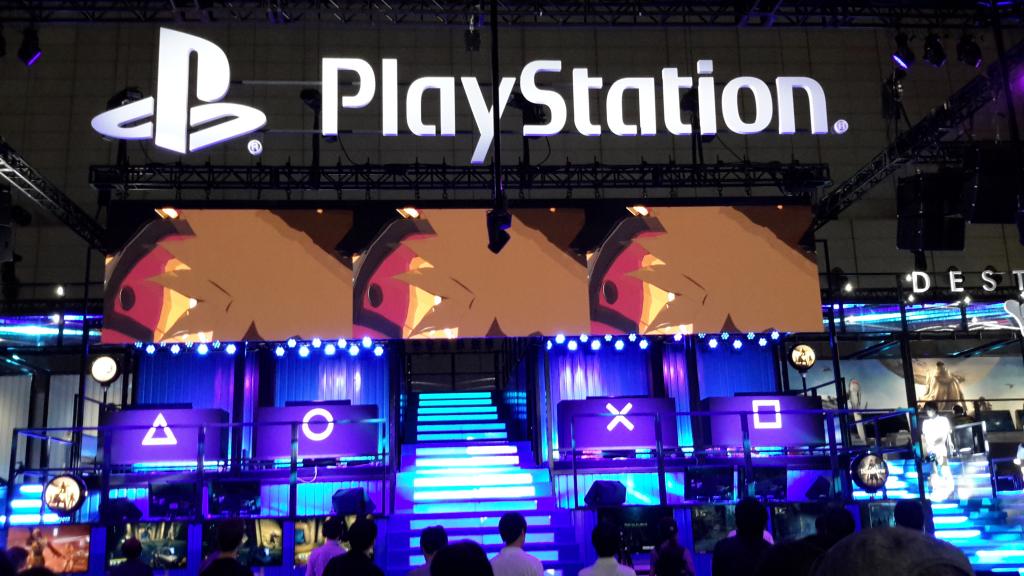
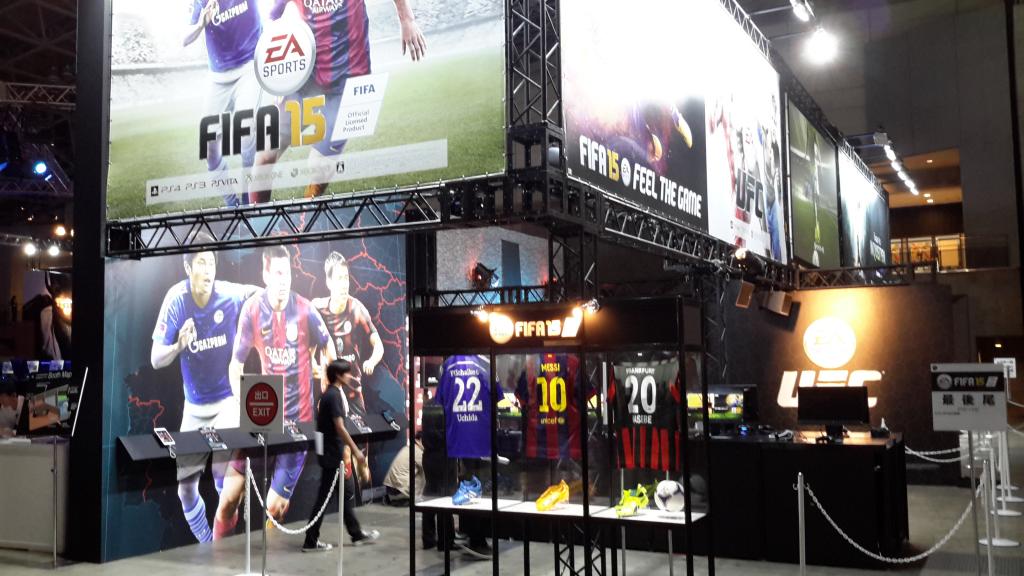
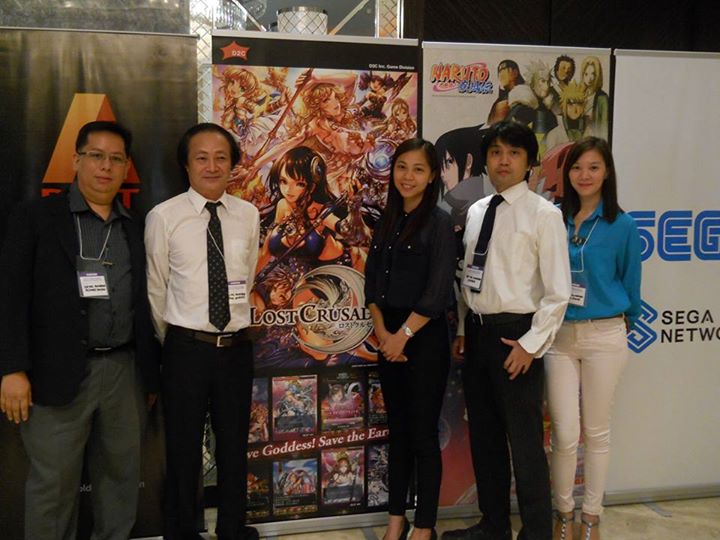
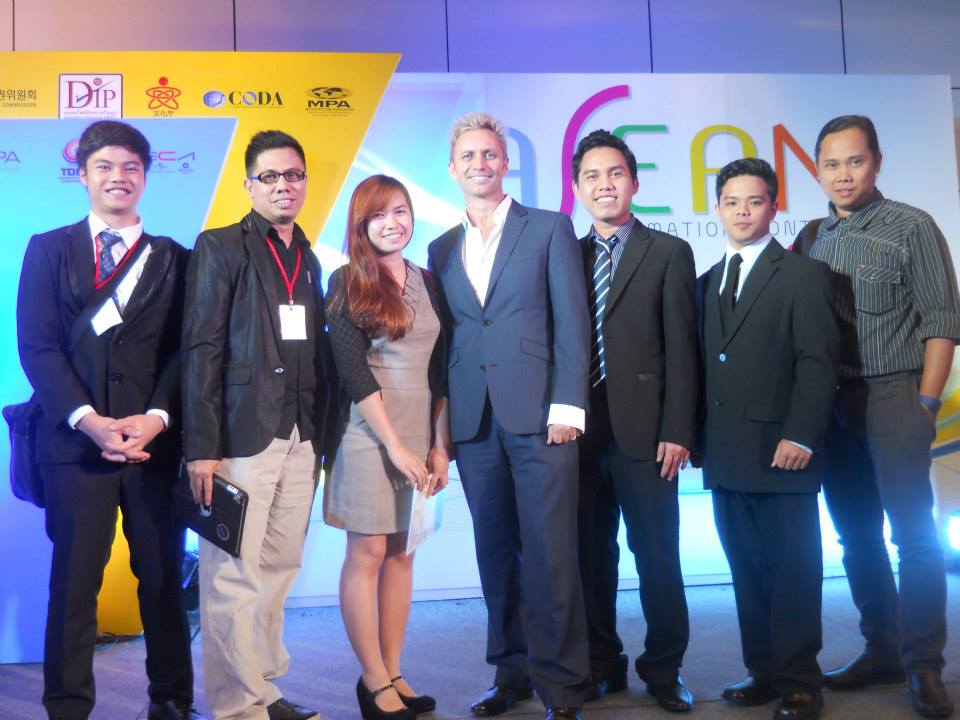
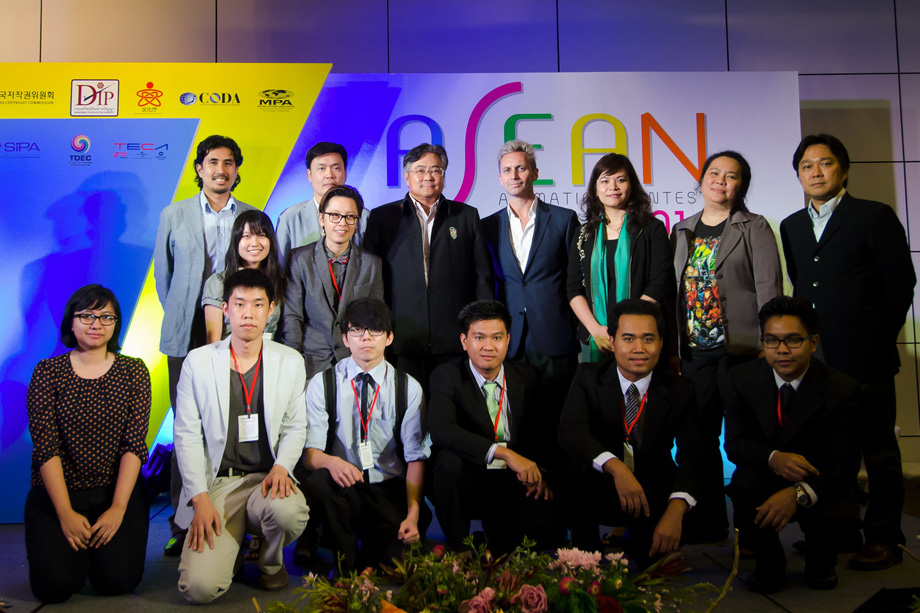
The exhibit will enable Top Peg Animation to market their animation services for gaming companies, while at the same time give exposure to my products. I’m very excited with the exhibit as this will show not only our mobile game to prospective clients but it will also show our TV animation to the various people who might also be distributors, producers and writers for animation as well. The expected visitors for the show is about 220,000. Alstaire will also have the chance to attend seminars and take a look on what other Asean countries are doing. Other exhibitors from around the world are there from large multinationals like Sony and Microsoft and many creative independent firms. We will definitely learn a lot about gaming in this show, and from what we will learn there – we’ll apply it to our mobile game before having it programmed. Below are some of the pictures for the Tokyo Game Show 2014.


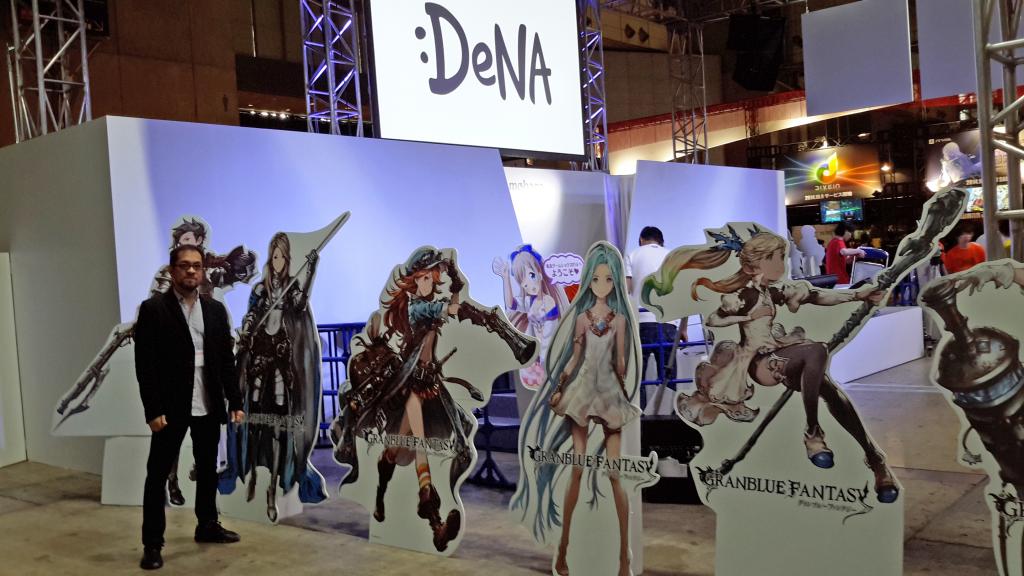

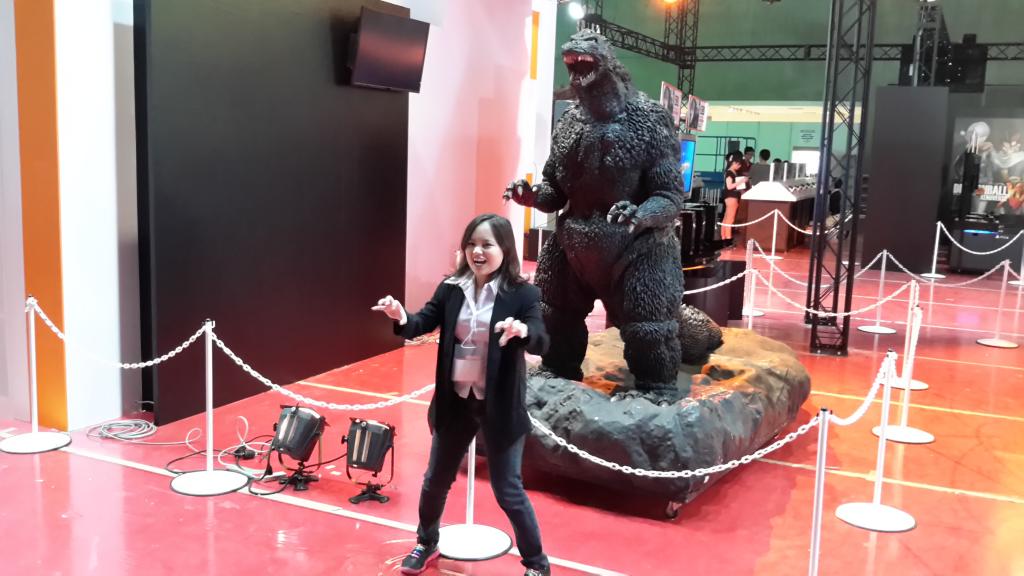


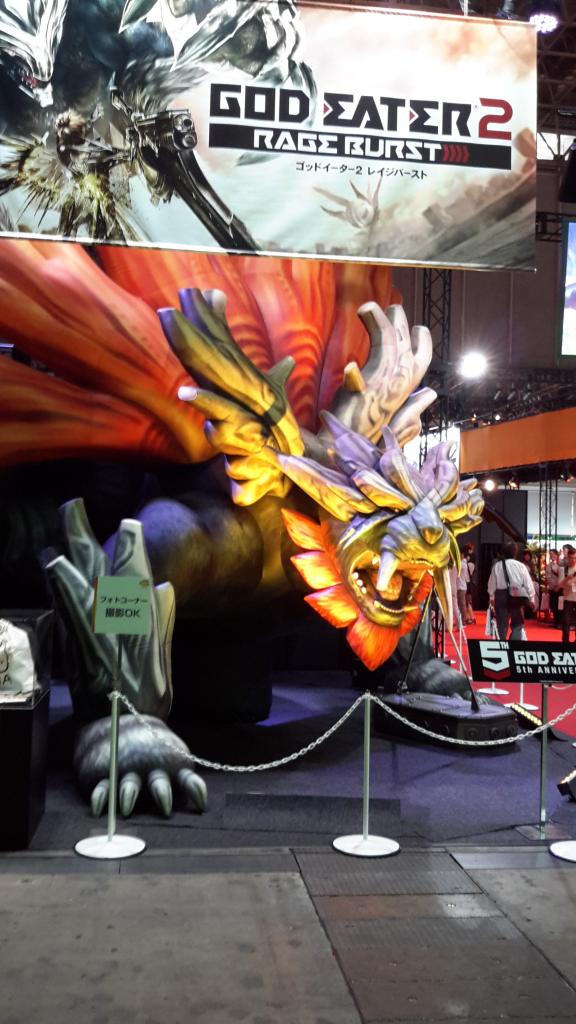


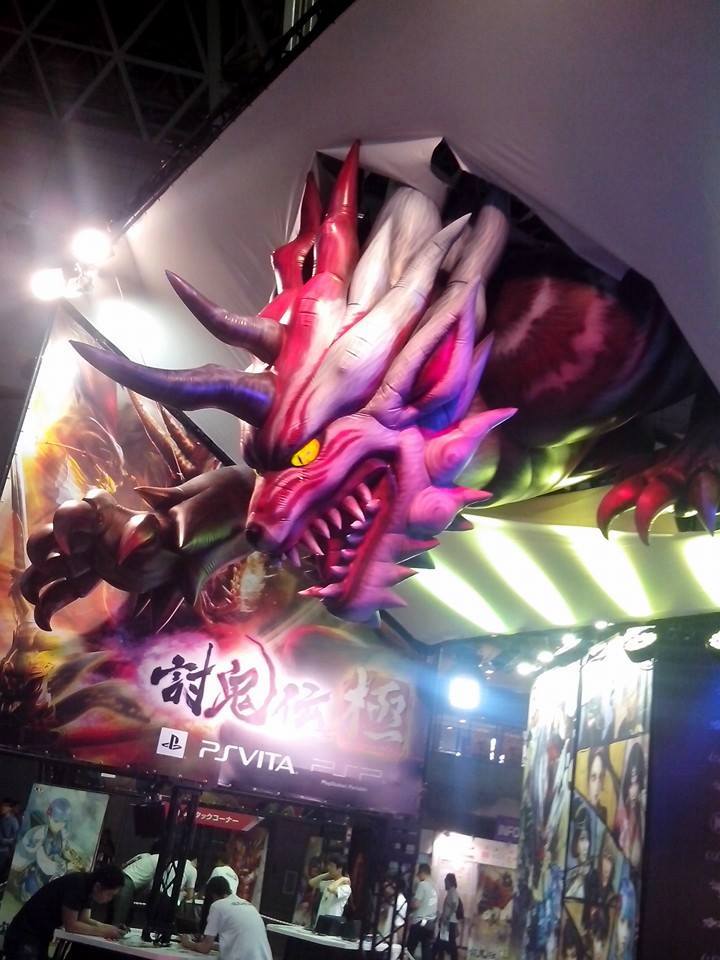 I asked Alstaire to write his experience in games and how Top Peg was invited to the Tokyo Game Show. This is his story:
How Did We Get Into Doing Game Art?
Back in 2009, a client from New York called and scheduled to visit the studio. He said he was visiting different studios to find one that would match the style for a project. When he arrived at the studio, the first thing he asked was if we have experience in animating in Disney style or something like “Spirited Away”. We told him that the Disney style of animating was where most of us trained. They were doing a new side scrolling game based on the classic game – “A Boy and His Blob“. The story is about a boy who meets an alien blob who can transform to different objects when he is fed different flavoured jelly beans. The art director wanted an animated feel to the game. He also needed a studio to do the backgrounds for the game. He liked what he saw and we got the project.
There were many adjustment in doing game animation from TV animation. First, the animators were limited to a specific number of drawings for each action. Like a “standing punch” should only be four drawings. Second, all the action should be returned to the same drawing, like whether it is from a “run” or “jump” animation, they should all go back to the “idle” first animation of the character. Because of this, it is strictly checked that all handouts for the different animations had the same first and last pose of the character. Third, they had a specific software that they were using, which wasn’t compatible with any other version of that software. So we had to find that specific software with the specific version as well. Finally, we had to learn how to use a drawing tablet (WACOM). It took us a week or two to finally adjust to all the requirements and the client was happy with the results, that he also had us animate the Intro Cinematic of the game.
The game company that hired us for this game has been a regular client since then. We have done game art and animation for at least 9 games already, this includes Bloodrayne Betrayal, Batman: the Brave and the Bold the Video Game, Ducktales Remastered, Shantae Hero, A Boy and His Blob, Spider-man, Lalaloopsy and Barbie and the 3 Musketeers. The art director who visited us eventually transferred to a different game company, and because of his confidence in our work, he recommended us to supply the game art for this new company – we did another side scroller game called Pug Run. After this, we now added game art and animation to our services, after which we were able to get another game project called “Taurean Revolution” for an independent game designer from the Netherlands.
Joining GDAP
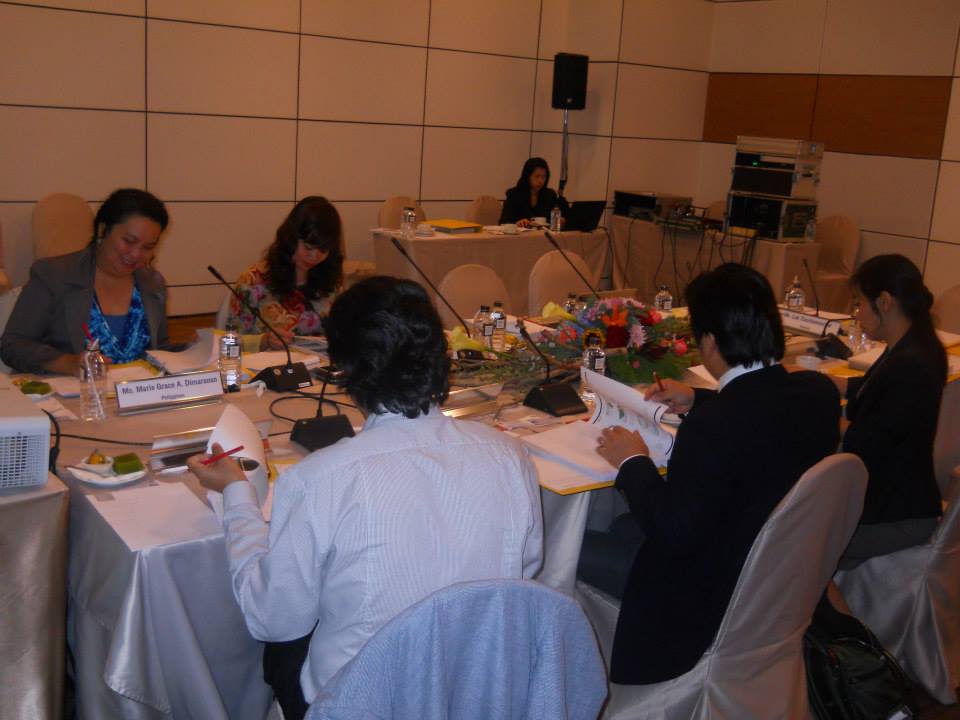
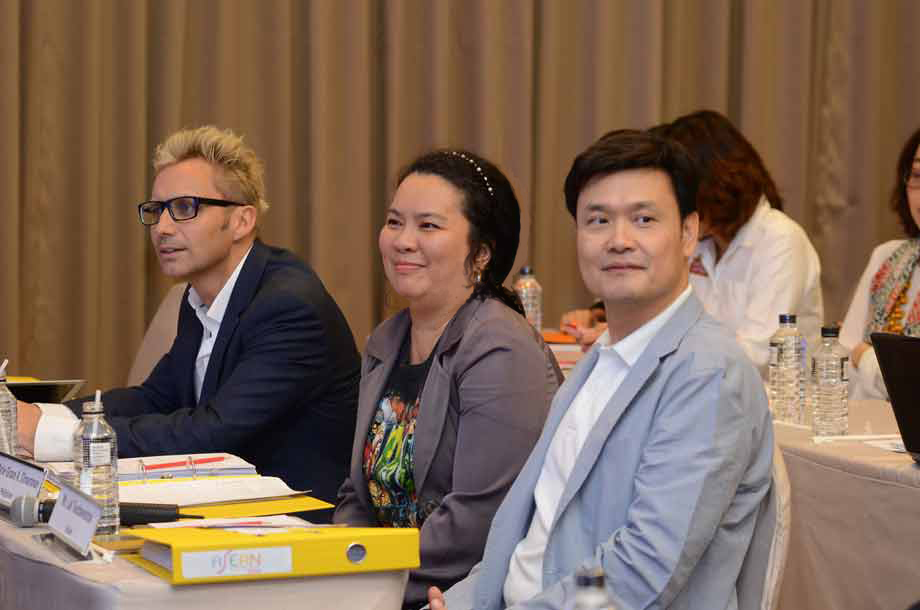
Our game experience paved the way for us to join GDAP, or the Game Developers Association of the Philippines. Joining GDAP gave us opportunities to be invited to different game festivals and Business Networking in different countries every year. One of the events was the Games & Creative Content Networking Phils 2014 held last May 19, 2014 at the Manila Peninsula Hotel. There were 40 Japanese delegates from different game developers, animation and merchandising who were interested in establishing contact with Philippine gaming and animation companies. Grace and I, with the help of two former Japanese clients, Mr. Hayasaki and Mr. Sekiguchi, along with their translators, Jenny and Erika, enabled us to talk to most of the Japanese companies who may need our services. But most of the companies were looking for 3D animation for their games and one company was one that produces animation for slot machine games in casinos. The said company also needed 3D animation, although they liked what we presented and they said that they will consider our services when they will need our expertise. At this event, the Tokyo Game Show 2014 was also being promoted and it was only late in July 2014 that Grace told me that I was going to the show instead of her.

Mr. Sekiguchi (in white), Ms. Grace and Jenny with a Japanese exhibitor

Participants from GDAP and ACPI

Mr.Sekiguchi, Ms. Grace and organizer for the Tokyo Game Show

One of the Japanese speakers

Pierrot Co.,Ltd. – the official distributor for Naruto merchandising

Ms.Grace, Mr.Sekiguchi with exhibitors from Pierrot Co., Ltd

The Crop Circle Warriors Mobile Game
Back in 2012, with our experience in gaming and the advent of mobile apps for Android and iOS phones; we were imagining if “Jobert” was a video game. So it was good to hear that Edward was also interested in creating a game for Jobert and his friends. Since this will be our first in-house game, we decided on doing a mobile game and since we had some experience in side scrolling action games, this was what we decided on.
Based on what I knew in developing a game, I created a game concept for “Jobert”, with some inputs from Edward. I used the different game documents that we had from the games that we finished and then showed it to a friend from the game industry – Martin Jimenez, who at that time was working for Kamikase, a local game company. His first feedback was that our game concept was more on the creative side and had little information on the programming side. He gave me some pointers on how to improve it, as well as suggestions to start small. He said my initial concept was a bit too big, which means expensive and time consuming to do; as I had six characters with six different powers. He even said that if he were to quote a price, it would be around P1 million and it will take a year to finish. So I went back and started to rewrite the document that would have information for both the creative and programming side and minimize the characters. The document should have the detail of the game, from the art style, different animations and physics as well (for example, what happens when the character jumps then hits the ceiling?). Also included was the storyline, the different levels, timeline and other details that would help in making the gameplay understandable to all the contractors involved.
I finished the the document sometime in the 3rd quarter of 2013 but I needed some feedback for it. I knew that some of our voice actors in the TV series for “Jobert and the Crop Circle Warriors®” were working or worked for game companies. There is Bea Lapa (Krystel), who is an indie game developer and professor at the College of St. Benilde, Jei Vencer (Zem), who worked as a 3D animator for Anino Games a few years ago, and who is now in Singapore and Victor Cabazor (Moleth and Balhalya), who was working as a Game Developer for a local company doing mobile games. I contacted Victor since he was the most accessible at that time, and when he learned that we were doing a game for “Jobert“, he was excited that he immediately scheduled a meeting between us and his boss at his company. When I initially met him and his boss at a coffee shop in SM Megamall, the first thing he said with our game was that he was really interested in it. He also said that the document that I did still needed a lot of polishing. Victor was perfect to design the game, because he knew the story and he had connection with the characters. We agreed that he would do an Official Game Document, since that was his job as a game developer at the company he works for. The price they gave was reasonable enough and we agreed on the terms but I never gave them a copy of the game document, I just showed it to them. He said to give him 2 weeks to study it, and he will set meetings as we go along. This was the first step and it was exciting. After my first meeting with Victor, Edward was already ready to meet them and discuss the issues for the game document for the next meeting.
Around November 2013,while we were waiting for the next schedule for a meeting with Victor and his co-workers; Victor suddenly had a heart attack and died. After this event, we haven’t heard from Victor’s boss, even though I emailed him for a follow up. As of now, I still have the original game document that I created, hopefully we’ll get another game designer to start our vision for the game after the Tokyo Game Show.







 Miracle Animation Studios Inc.
